Emergency Sewer and Drain Cleaning: What You Should Know
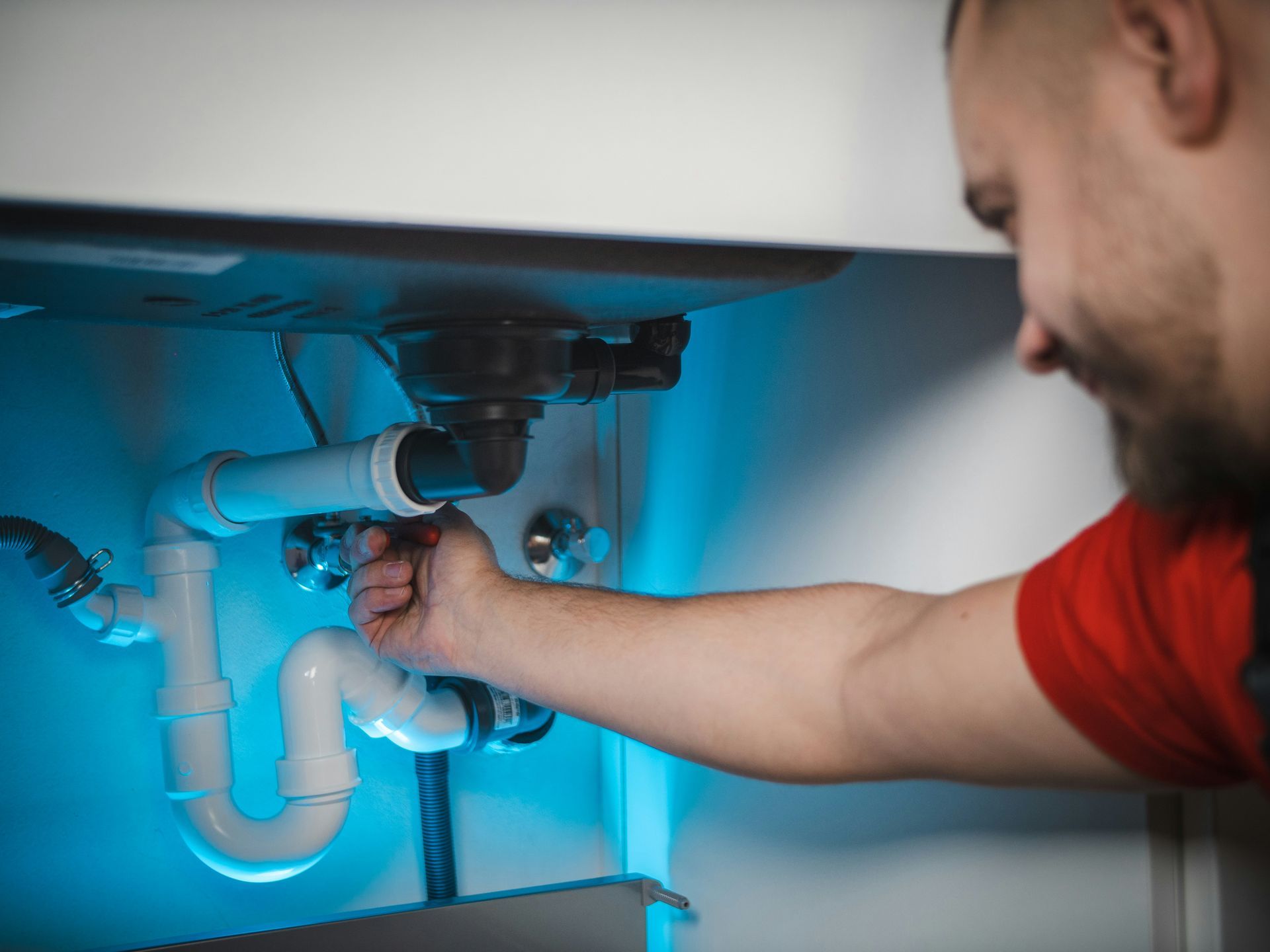
Plumbing emergencies can strike at the most inconvenient times, leaving homeowners stressed, frustrated, and unsure how to respond. Among the most urgent situations are sewer and drain blockages. These problems can quickly escalate into property damage, foul odors, and even health hazards if left untreated. Understanding what emergency sewer and drain cleaning entails, the signs of a problem, and preventive measures can save homeowners significant time, money, and stress.
Sewer and drain emergencies are particularly concerning because they often affect multiple areas of a property. A clogged main line can disrupt sinks, toilets, showers, and even outdoor drainage systems. Knowing when and how to call a professional emergency plumber is essential for protecting your home and maintaining your plumbing system's longevity.
This guide explores the essentials of emergency sewer and drain cleaning, the role of
certified plumbers, signs of issues, preventative strategies, and practical steps homeowners can take to reduce the risk of recurring problems.
Key Takeaways
- Prompt action is critical when facing sewer and drain blockages to prevent property damage and sanitation risks.
- Certified plumbers use advanced tools and methods to safely and effectively clear blockages.
- Common causes include grease buildup, tree roots, foreign objects, and aging or damaged pipes.
- Regular inspections and preventive maintenance reduce the likelihood of emergencies.
- Professional services prioritize safety, sanitation, and proper waste disposal.
- Clear communication with your plumber ensures efficient and accurate service, with minimal disruption to your home.
Common Causes of Sewer and Drain Emergencies
Sewer and drain emergencies often result from preventable or predictable issues. Understanding these causes helps homeowners take proactive measures to protect their systems.
Grease and Fat Buildup
Cooking grease, oil, and fats may seem harmless when poured down the sink. However, they solidify inside pipes over time, creating blockages that restrict water flow and lead to backups. Even with hot water, these substances accumulate in bends and joints, making clogs difficult to remove without professional intervention.
Foreign Objects
Accidental flushing of items such as paper towels, hygiene products, baby wipes, or small toys can obstruct plumbing lines. While toilets are designed for human waste and toilet paper, anything else may cause partial or full blockages, especially in older pipe systems.
Tree Roots
Tree roots naturally seek water and nutrients. Over time, they can infiltrate cracked or poorly sealed pipes, leading to slow drains, backups, and structural damage. Root intrusion is often a major cause of mainline blockages in residential properties, requiring specialised tools for removal.
Aging or Damaged Pipes
Older pipes made from materials such as clay, cast iron, or early PVC may develop cracks, corrosion, or joint separations. These weaknesses allow debris or roots to enter, resulting in frequent blockages and potential leaks.
Heavy Rain or Flooding
Excessive rain can overwhelm local sewer systems. Stormwater may flow into residential sewer lines, creating backups into sinks, toilets, or basements. Flooding can exacerbate preexisting weak points in plumbing systems and accelerate the need for emergency services.
Household Habits
Frequent disposal of large amounts of food, paper, or personal hygiene products, combined with simultaneous appliance use, increases the likelihood of clogs. Educating household members about proper disposal habits is a simple yet effective preventive measure.
Signs You Need Emergency Sewer and Drain Cleaning
Being able to identify early warning signs of a blocked sewer or drain is essential. Catching issues early can prevent major property damage and reduce repair costs.
- Slow Drains Across Multiple Fixtures – If sinks, showers, and tubs drain slowly simultaneously, it could indicate a blockage in the main line.
- Gurgling Noises – Bubbling sounds from toilets or drains suggest trapped air caused by obstructions in pipes.
- Foul Odors – Persistent sewage smells coming from drains or the yard often indicate a backup or broken sewer line.
- Water Backups – Water overflowing from sinks, tubs, or toilets is a clear sign of an urgent issue.
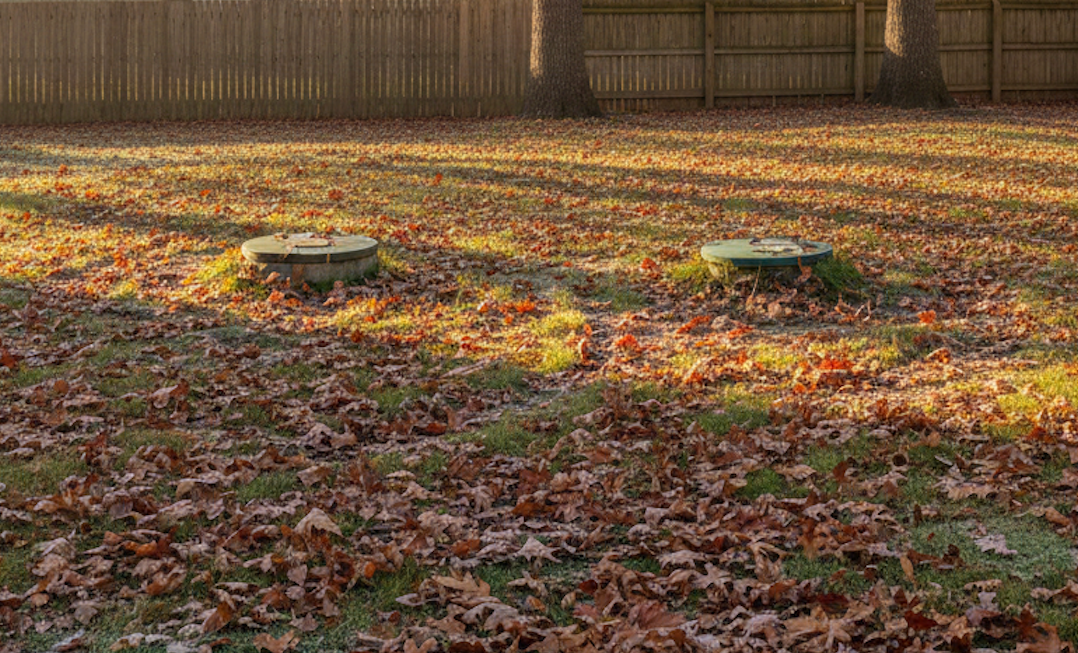
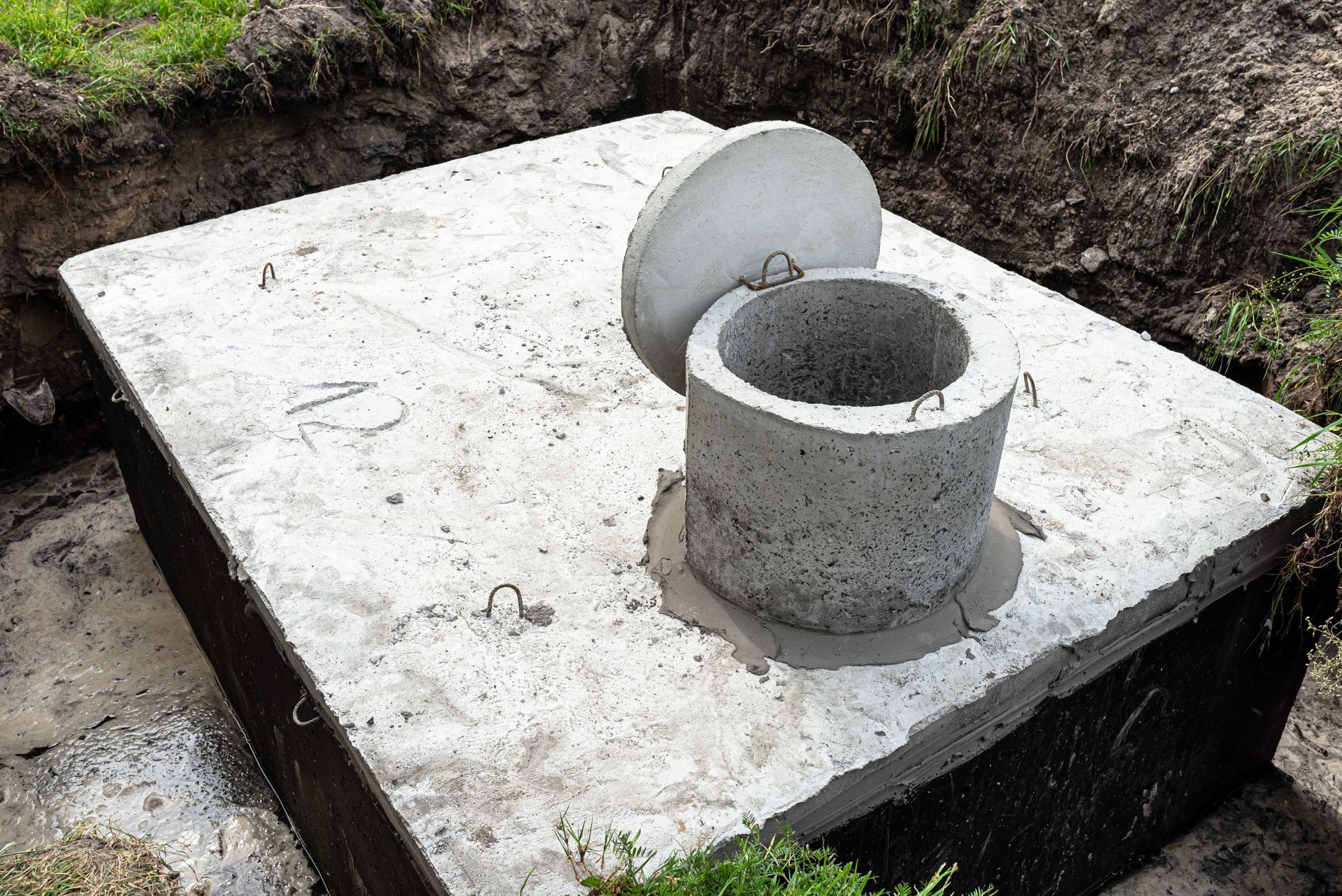
- Pooled Water or Soggy Areas Outside – Wet patches near septic or sewer lines may signal leaks or blockages requiring immediate attention.
- Frequent Clogs – If clogs become repetitive despite regular cleaning, underlying damage or pipe misalignment could be the cause.
If any of these symptoms appear, contacting a certified emergency plumber immediately can mitigate risks and prevent long-term damage.
The Emergency Sewer and Drain Cleaning Process
Professional plumbers follow a structured approach to resolve sewer and drain emergencies effectively, safely, and efficiently.
Initial Assessment
The plumber evaluates your plumbing system to locate the blockage and determine its severity. This involves understanding the layout of your pipes, age of the system, and any previous maintenance history.
Diagnostic Tools
Advanced tools such as video inspection cameras and sewer line locators help pinpoint the source and severity of clogs. Video inspection provides a clear view of inside the pipes, revealing debris, roots, or structural damage.
Cleaning Methods
Depending on the type and severity of the blockage, plumbers may use:
- Hydro jetting – High-pressure water streams clear grease, debris, and roots.
- Mechanical snaking – Flexible augers break up solid clogs in narrow pipes.
- Chemical treatments – Safe, professional-grade solutions dissolve minor buildup without harming pipes.
Inspection and Testing
After clearing the blockage, the plumber inspects the system for residual debris, leaks, or damage. Testing ensures proper flow and confirms that the issue has been resolved.
Follow-Up Recommendations
Plumbers provide guidance on preventive maintenance, proper waste disposal, and potential upgrades to improve system durability. They may suggest installing strainers, scheduling routine inspections, or replacing outdated pipes.
Preventing Sewer and Drain Emergencies
Proactive steps can reduce the frequency of plumbing emergencies and extend the life of your system.
Proper Waste Disposal
Avoid flushing non-degradable items such as wipes, paper towels, or feminine hygiene products. Dispose of grease and oils in sealed containers rather than pouring them down drains.
Regular Maintenance
Schedule professional inspections and drain cleanings at least annually. Homes with high water usage or older plumbing may require more frequent checkups.
Install Strainers and Traps
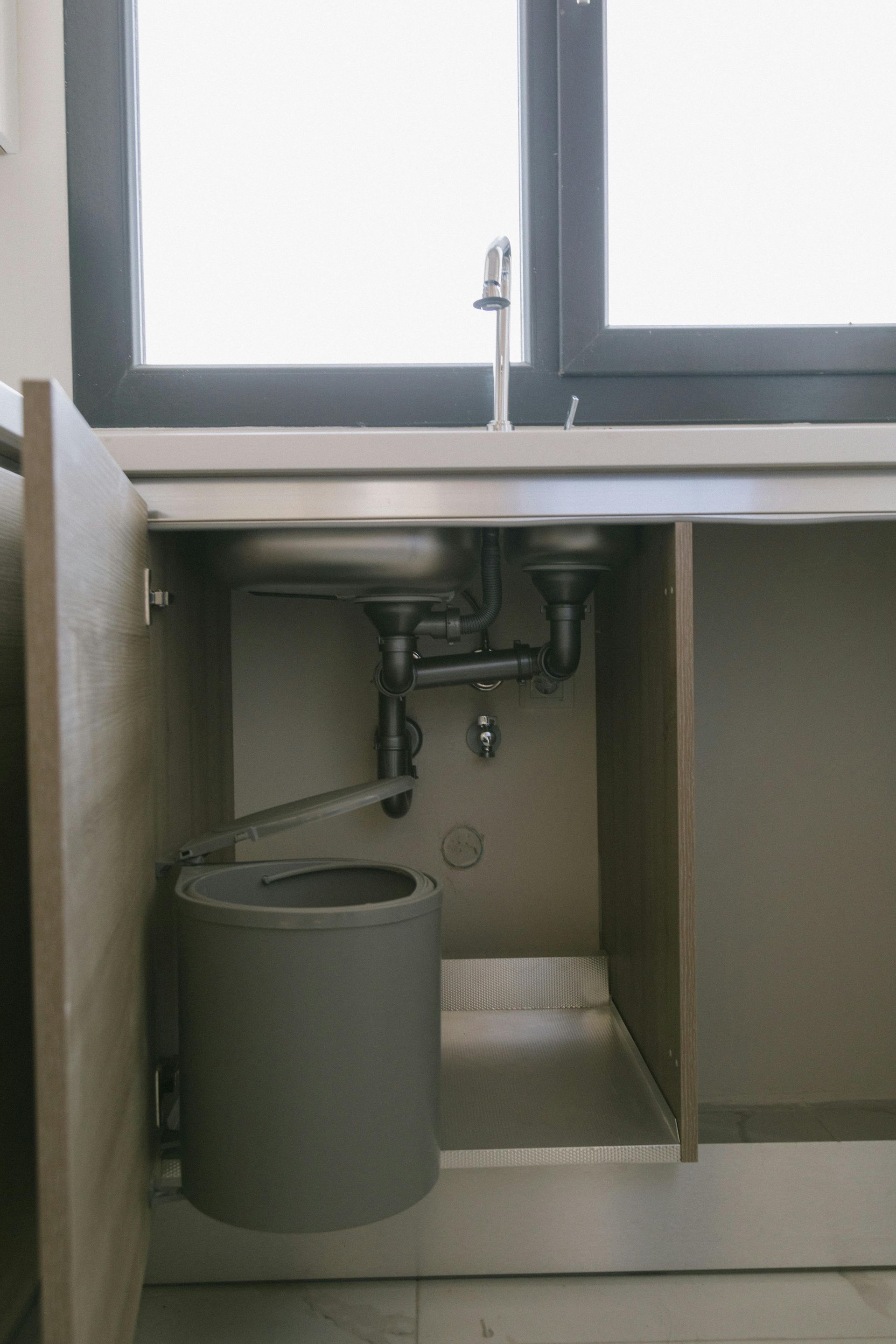
Drain strainers and hair traps prevent debris from entering pipes. Bathroom and kitchen strainers can significantly reduce clogs over time.
Landscaping Considerations
Plant trees away from sewer lines and consider root barriers if trees are close. Regular inspection of nearby roots can prevent major sewer damage.
Water Flow Management
Avoid overloading the system by running multiple high-demand appliances simultaneously. Spread out laundry, dishwasher, and shower usage when possible.
Safety and Sanitation in Emergency Plumbing
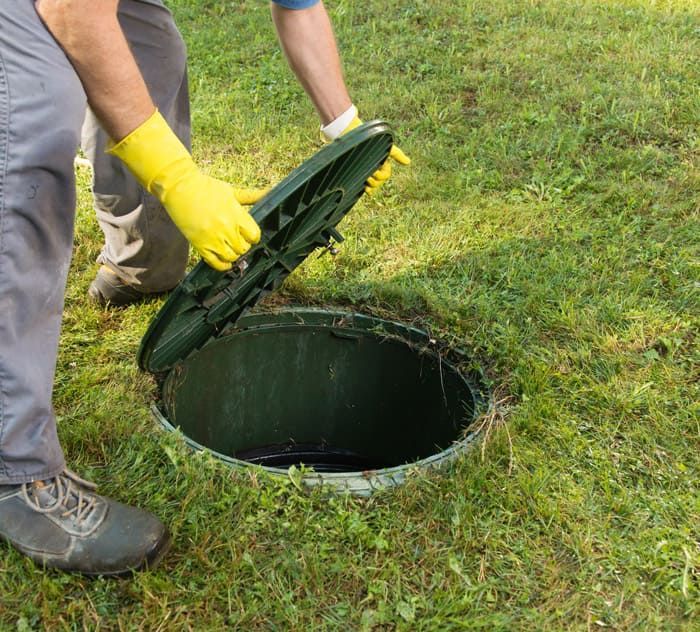
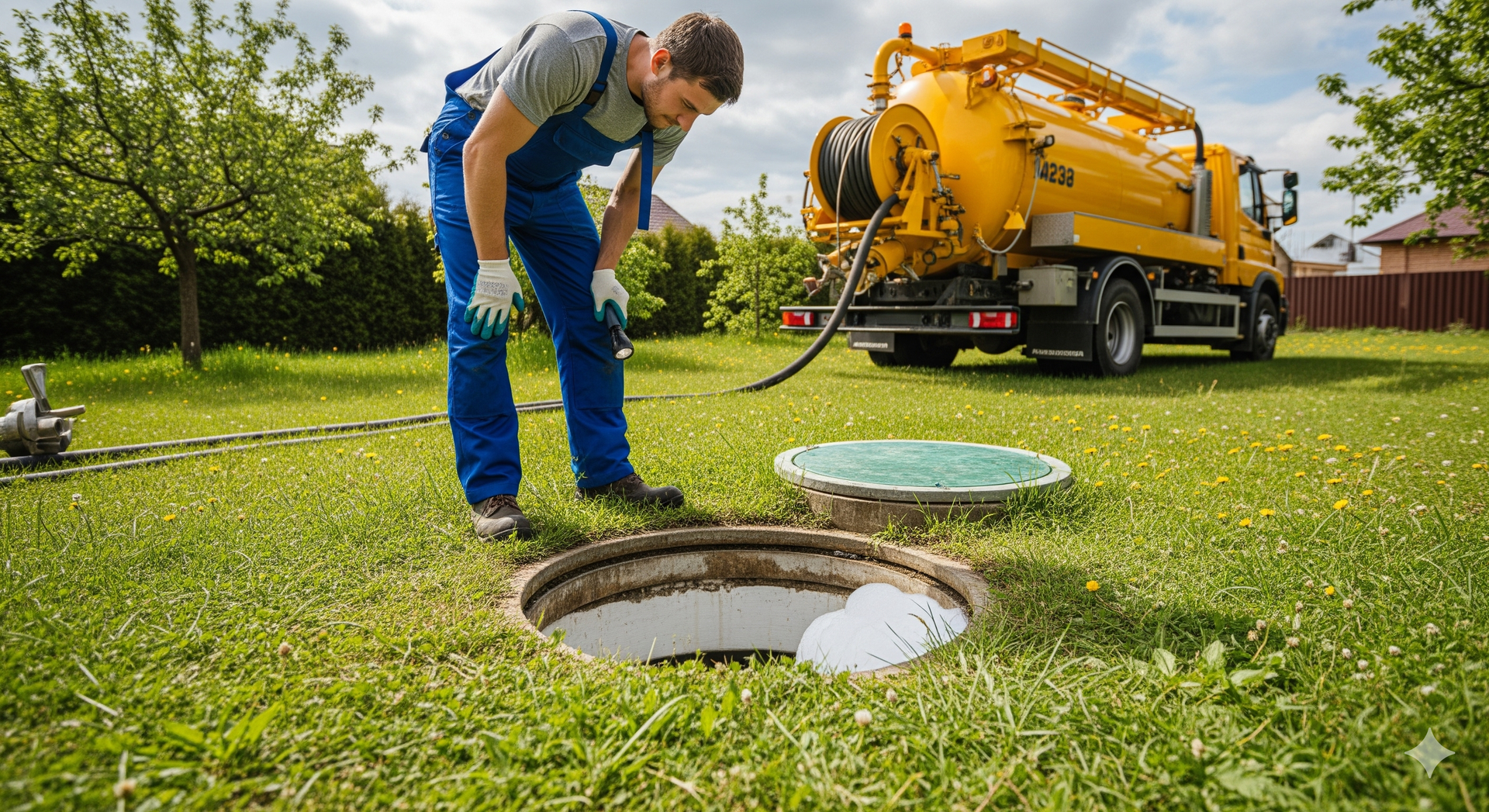
Emergency sewer and drain cleaning involves exposure to waste, bacteria, and potentially harmful pathogens. Professional plumbers follow strict safety and sanitation protocols:
- Personal Protective Equipment (PPE) – Gloves, masks, and boots protect against direct contact with sewage and chemicals.
- Proper Tools and Techniques – Professional equipment ensures thorough cleaning without damaging pipes.
- Safe Waste Disposal – Debris and wastewater are handled according to local regulations to prevent contamination.
- Sanitization After Service – Post-cleaning sanitation ensures the area and plumbing system are safe for use.
Safety measures protect both homeowners and plumbers while ensuring that the cleaning process is complete and effective.
Cost Considerations for Emergency Services
Emergency plumbing costs depend on the severity of the blockage, required tools, and time of service. Common factors affecting costs include:
| Factor | Impact on Cost |
|---|---|
| Time of Service | After-hours or weekend calls typically have higher rates |
| Type of Blockage | Main line or root-intruded blockages require more labor and specialized equipment |
| Equipment | Hydro jetting or video inspections increase cost but ensure thorough results |
| System Age | Older pipes may require additional repairs or replacement |
| Location of Clog | Blockages in main sewer lines are more complex and costly than local clogs |
Understanding pricing structures, budgeting for preventive maintenance, and investing in regular inspections help avoid surprise expenses.
Choosing the Right Emergency Sewer and Drain Cleaning Company
Selecting a certified, experienced plumbing service ensures efficient results and minimizes the likelihood of recurring issues. When evaluating a company:
- Verify licensing and insurance to ensure compliance and protection.
- Check reviews and testimonials from past clients.
- Ensure the company is available for true emergency calls.
- Confirm transparent pricing and clear communication practices.
- Assess whether they offer preventive maintenance along with emergency services.
Hiring a reputable plumbing company ensures your system is handled safely, efficiently, and with long-term reliability in mind.
Maintenance Tips After Emergency Service
After your emergency is resolved, proactive steps can help prevent future problems:
- Schedule routine inspections and drain cleaning.
- Educate household members on proper disposal practices.
- Monitor drainage and water flow for early signs of slow drains.
- Maintain records of repairs, inspections, and services for reference.
- Consider pipe upgrades for ageing or damaged lines.
Regular maintenance not only prevents emergencies but also extends the life of your plumbing system and safeguards your property.
Frequently Asked Questions
How quickly should I call a plumber for a sewer backup?
Immediately. Delays can cause significant property damage and health risks.
Can I attempt to clear a main line clog myself?
DIY methods may worsen blockages or damage pipes. Professional tools and expertise are recommended.
How often should I schedule preventive drain cleaning?
Annual inspections are sufficient for most homes. High-usage or older systems may need semi-annual service.
Are chemical drain cleaners safe to use?
Over-the-counter products can harm pipes and are ineffective for major clogs. Professional solutions are safer and more effective.
Will insurance cover sewer line repairs?
Coverage depends on your policy and the cause of damage. Always check with your provider.
Final Thoughts
Emergency sewer and drain issues are stressful but manageable with prompt action and professional help. Understanding the signs, causes, and cleaning processes allows homeowners to act quickly, protect their property, and maintain a healthy plumbing system.
Preventive maintenance, proper disposal practices, and hiring certified plumbers reduce the likelihood of emergencies and extend the life of your system. Investing in regular inspections and professional services ensures peace of mind and protects your property from costly damage.
Experiencing a sewer or drain emergency? Contact our certified emergency plumbing professionals today for fast, safe, and effective service.
Reference:
https://www.adpenviro.co.uk/services/septic-tank-problems/advice/how-to-tell-if-your-septic-drain-field-is-failing/