Septic Tank Plumbers: Maintaining Your System for Longevity
A
properly maintained septic system is crucial for every homeowner. Septic tanks manage household wastewater efficiently, but without regular care, problems can arise quickly. Hiring
certified septic tank plumbers ensures your system operates safely, avoids costly repairs, and extends its lifespan. These
professionals provide inspections, maintenance, and timely interventions to keep your septic system functioning optimally.
Key Takeaways
- Regular inspections prevent unexpected septic system failures.
- Certified plumbers identify early signs of trouble and address them efficiently.
- Routine maintenance extends the lifespan of your septic tank.
- Proper waste management practices reduce costly repairs.
- Seasonal care ensures your system adapts to changing weather conditions.
- Hiring professionals saves time, money, and protects your property.
Understanding Your Septic System
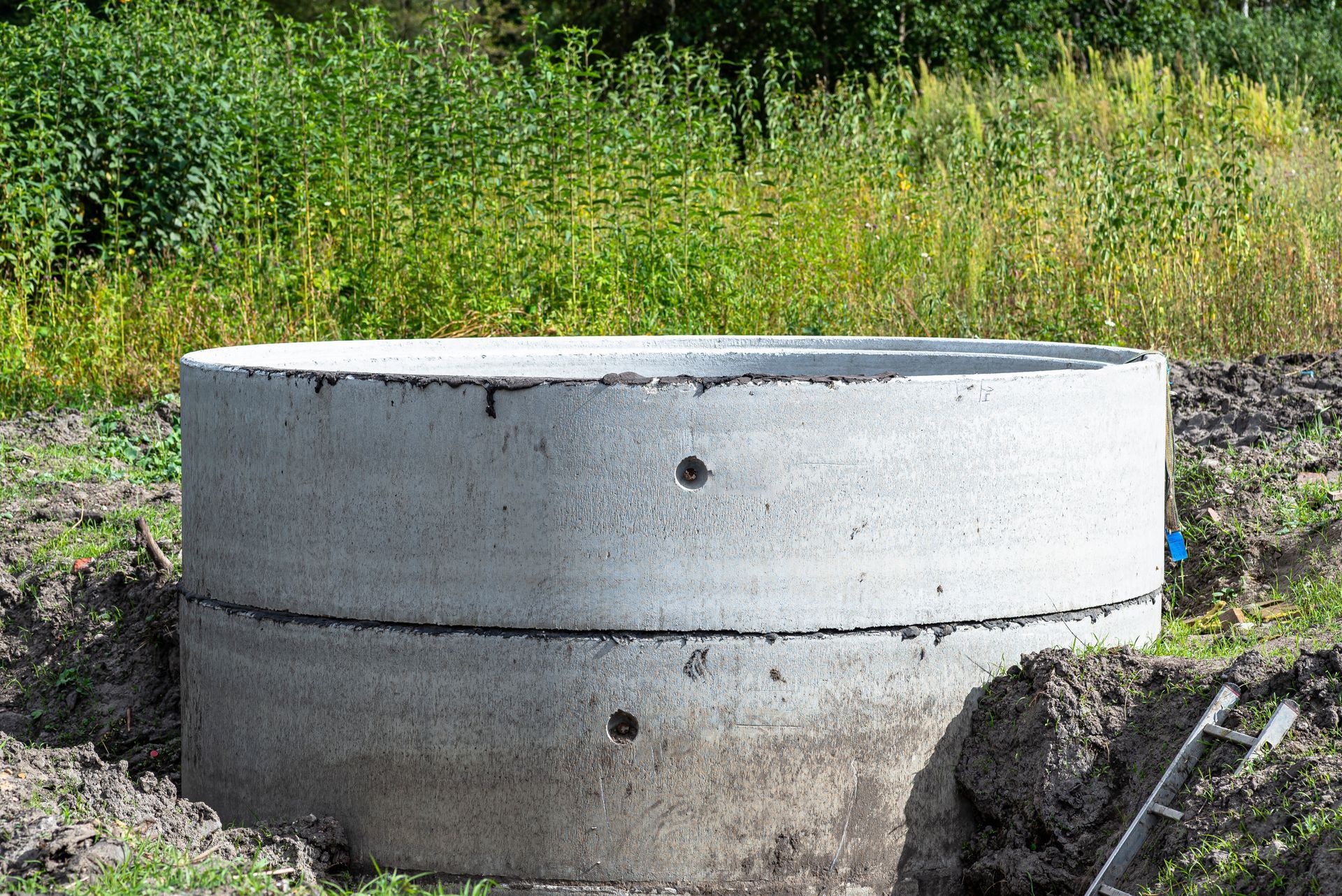
Septic systems are designed to be low-maintenance, but understanding how they work helps homeowners avoid costly mistakes. The tank separates solids from liquids using a natural bacterial process. Solids settle at the bottom as sludge, oils and grease float to the top as scum, and the liquid effluent flows into the drain field for absorption and treatment.
Different types of systems exist, such as conventional gravity systems, pressure distribution systems, and aerobic treatment units. Each has unique maintenance requirements. For example, aerobic units require proper oxygen levels and may need additional filters or pumps to be maintained regularly.
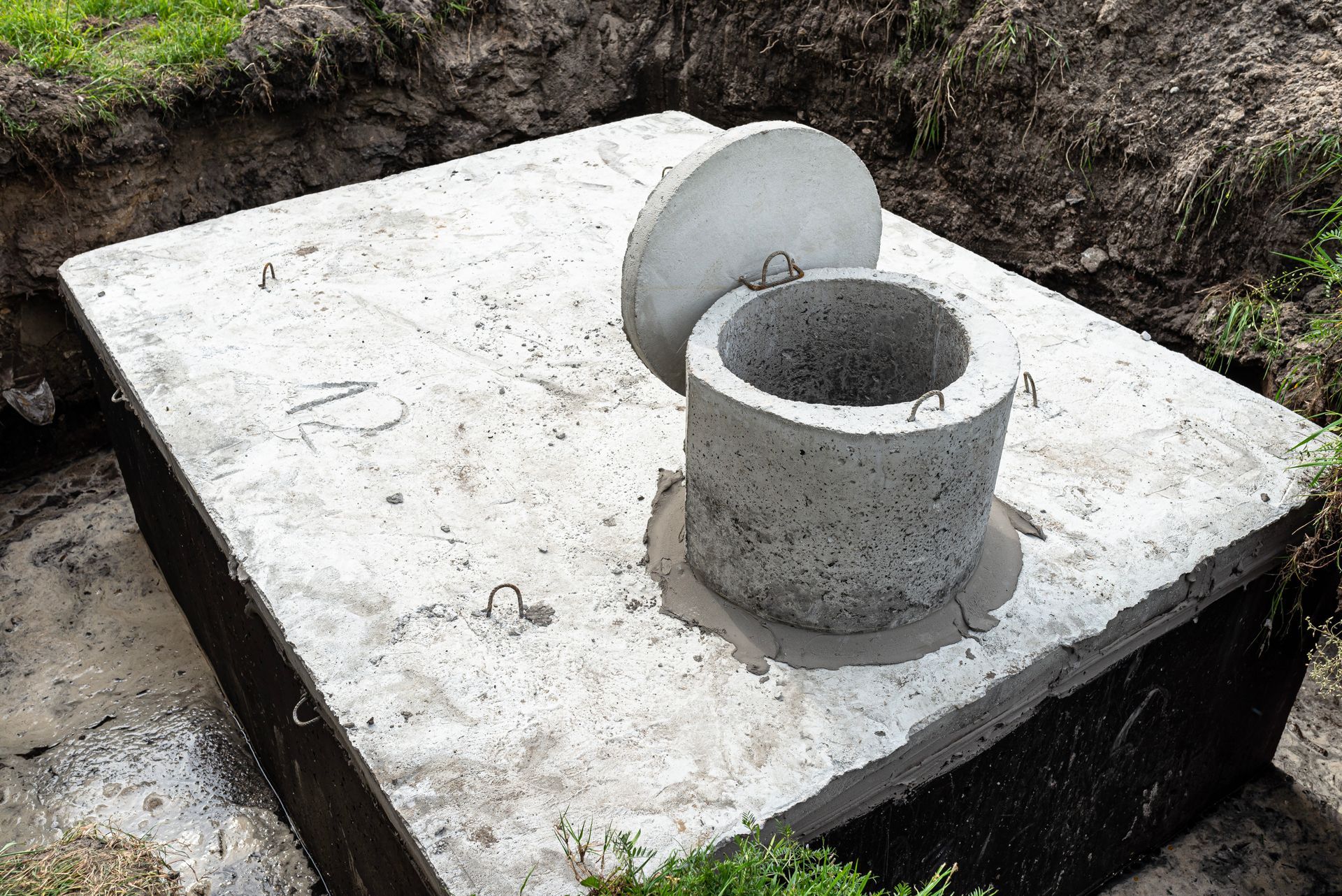
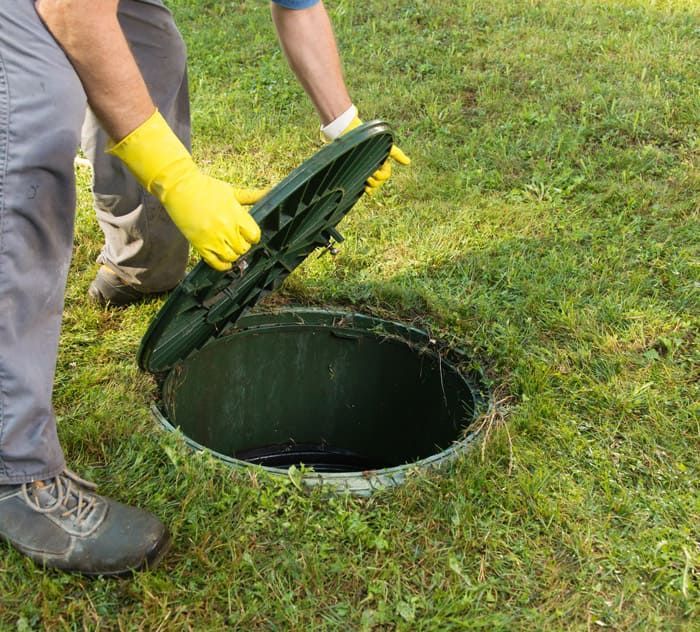
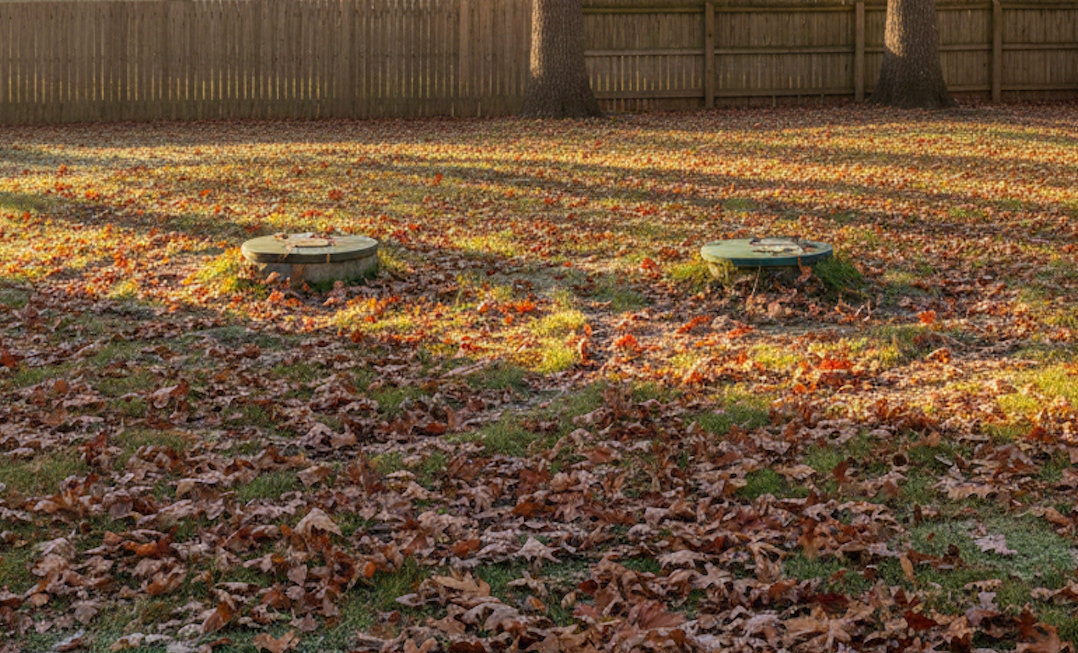
Homeowners should know how to locate tank lids and access points. Marking these locations prevents accidental damage during landscaping or construction. Understanding these fundamentals ensures you can communicate effectively with septic professionals and make informed decisions about maintenance and repairs.
Signs Your Septic System Needs Attention
Early detection is key to avoiding expensive repairs. Common indicators include:
- Slow Drains or Backups: Persistent slow draining in sinks or toilets can signal blockages.
- Unpleasant Odors: Foul smells near the tank or drain field indicate leakage.
- Wet Spots or Pooling Water: Soggy areas in the yard may mean the drain field is saturated.
- Gurgling Sounds: Bubbling noises in plumbing may reflect air trapped due to blockages.
- Frequent Pumping Requirements: More frequent tank pumping than recommended is a sign of system stress.
Recognizing these signs early allows septic plumbers to intervene before problems escalate.
How a Certified Septic Plumber Can Save You Money
Many homeowners underestimate the long-term costs of septic neglect. Certified septic plumbers not only prevent expensive emergencies but also help optimize household practices:
- Education on Water-Saving Habits: Using dishwashers and washing machines efficiently reduces tank overload.
- Advice on Household Chemicals: A plumber can guide homeowners on which cleaning agents are safe for septic systems.
- Detection of Early Complications: Professionals can identify slow leaks or pipe misalignment that might otherwise go unnoticed.
- Customized Maintenance Plans: Plumbers develop schedules tailored to household size, system type, and soil conditions.
In short, hiring certified professionals reduces unexpected costs, extends system life, and ensures your property remains safe and sanitary.
Preparing Your Property for Professional Maintenance
Before a septic tank plumber arrives, preparation can streamline the process:
- Locate the Tank and Access Points: Ensure clear access to lids and inspection ports.
- Clear Surrounding Area: Remove landscaping or obstacles that may hinder access.
- Reduce Water Usage: Limit household water consumption to reduce load during maintenance.
- Document Issues: Note unusual smells, pooling water, or slow drains to help the plumber diagnose problems efficiently.
These steps save time and allow the professional to work safely and thoroughly.
Seasonal Septic System Maintenance Tips
Maintaining your septic system throughout the year is essential for its longevity and efficient operation. Each season presents unique challenges, and adjusting your maintenance routine accordingly can prevent costly repairs and keep your system functioning smoothly.
Spring: Inspect and Clear
Spring is a good time to schedule a thorough inspection of your septic system. Winter weather can compact soil around the drain field, and heavy rains may cause pooling or erosion. Professionals can check for signs of damage, ensure proper flow, and remove any debris that could clog the system. Additionally, clearing gutters and downspouts around the property helps prevent excess water from saturating the drain field.
Summer: Manage Water Usage
Hot, dry summer months often lead to increased water use with activities like lawn irrigation, filling pools, or hosting gatherings. Excess water can overload the septic system, so it’s important to monitor usage and space out heavy water-demand activities. Regularly check for slow drains or unusual odors, which may indicate strain on the system.
Fall: Prepare for Rain and Cold
In the fall, leaves and organic debris can accumulate near the septic tank and drain field. Raking and clearing debris helps maintain proper airflow and prevents blockages. As temperatures drop, it’s also a good time to inspect the system for leaks, cracks, or insulation needs to protect it during winter.
Winter: Avoid Freezing and Reduce Stress
Cold weather can freeze pipes and the top layer of the drain field. Minimize water flow during extreme cold spells and avoid using the system excessively. Protect the tank and pipes with added insulation or soil coverage if needed. Keeping an eye out for frozen pipes or unusual backups ensures issues are addressed before they become emergencies.
Common Maintenance Services Provided by Septic Plumbers
Certified septic plumbers offer a range of services, including:
- Routine Inspections: Checking tank levels, sludge, scum, and the overall system.
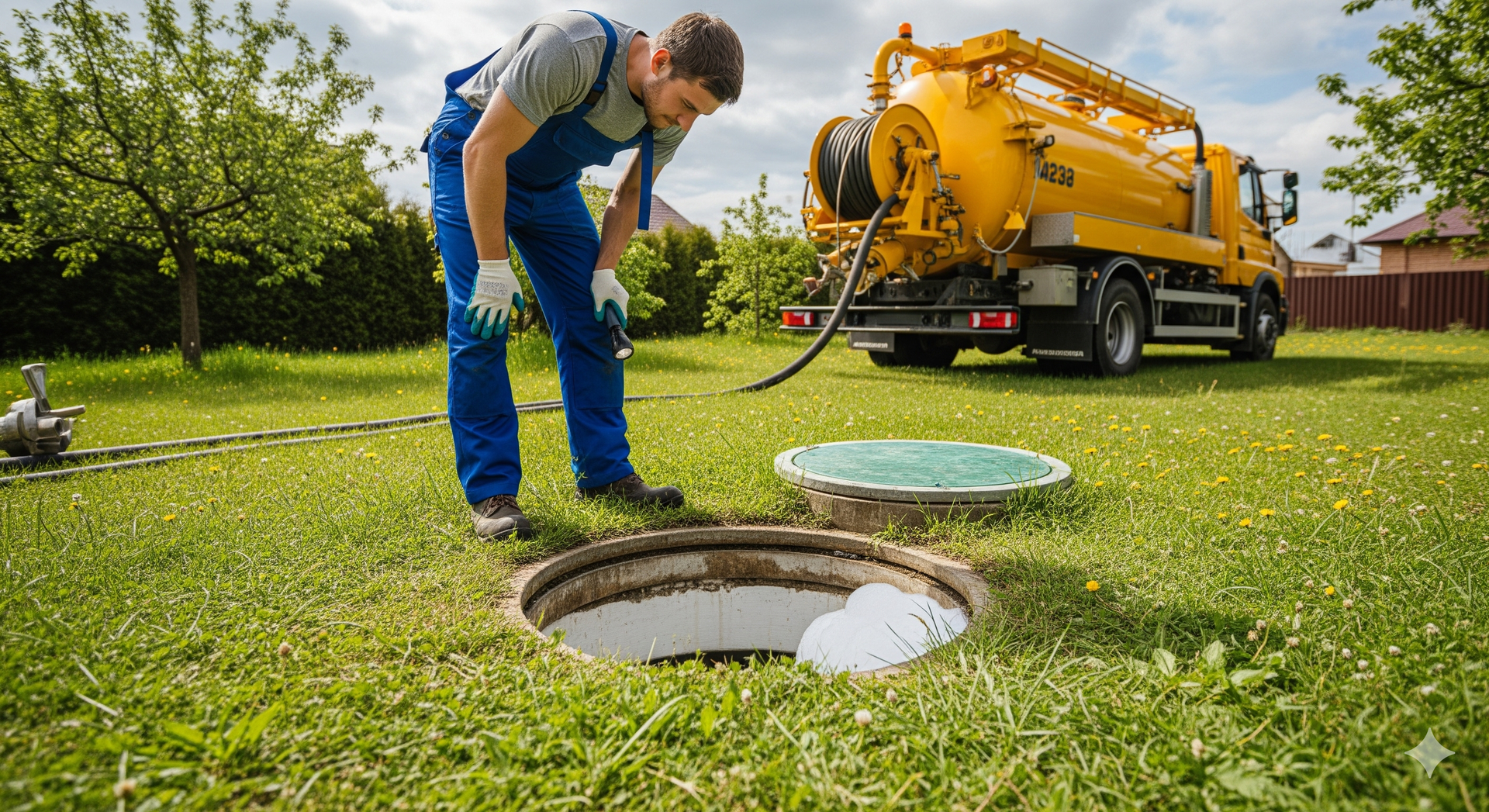
- Tank Pumping: Removing solids to prevent clogs and backups.
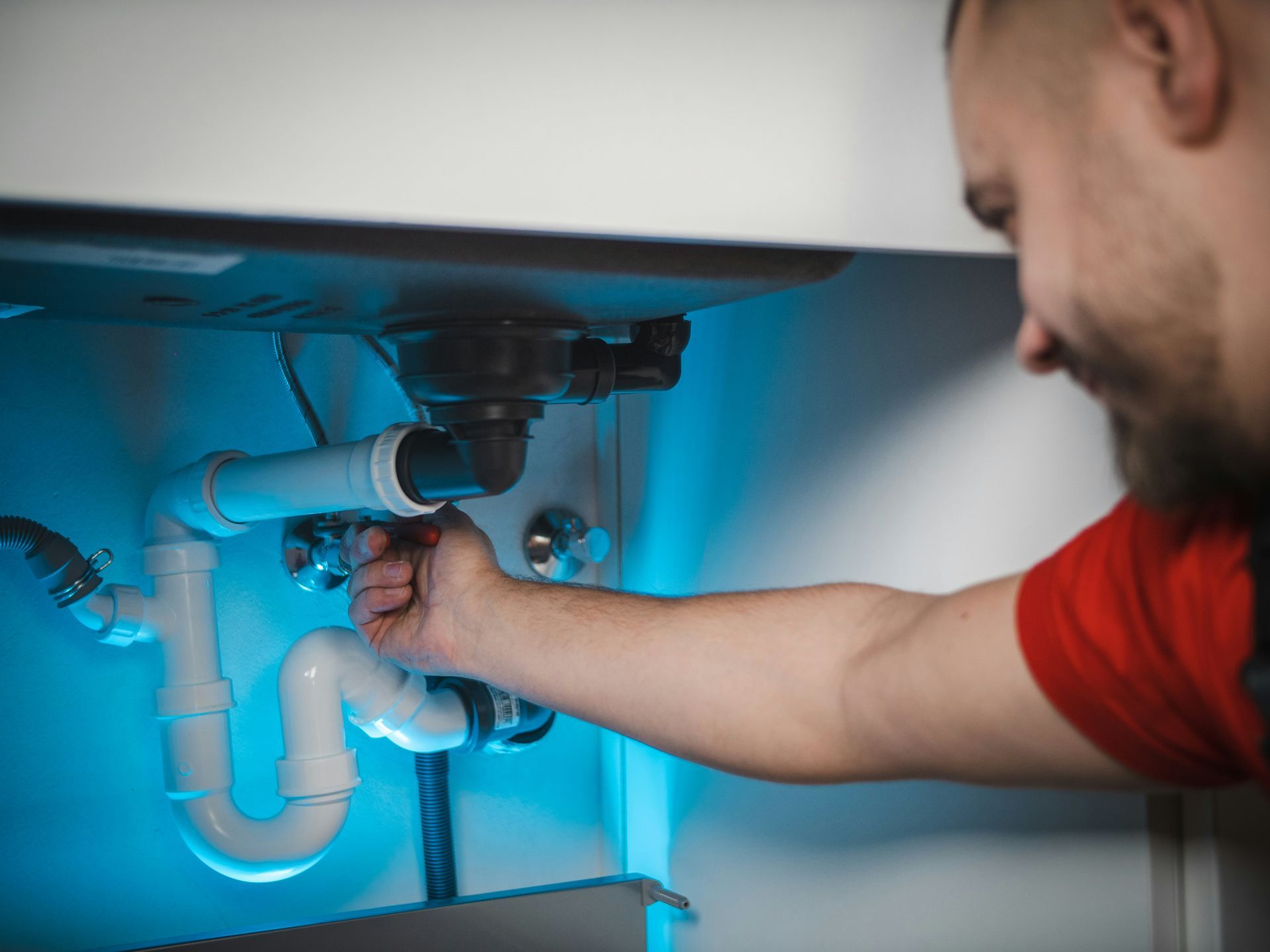
- Pipe Cleaning: Clearing obstructions in the inlet, outlet, and drain field lines.
- Repairs and Replacements: Fixing cracks, leaks, or damaged components.
- System Upgrades: Installing advanced filters, pumps, or alarms for improved performance.
These services ensure a balanced system that efficiently processes household wastewater.
Preventing Common Septic System Problems
Some of the most frequent septic issues can be prevented with simple strategies:
- Avoid Flushing Non-Biodegradable Items: Diapers, wipes, and feminine products cause clogs.
- Limit Chemical Use: Harsh cleaners and bleach kill beneficial bacteria essential for waste breakdown.
- Control Water Flow: Spread laundry and dishwashing over several days to avoid overwhelming the tank.
- Maintain Landscaping: Avoid planting trees near the drain field, as roots can damage pipes.
- Schedule Regular Professional Inspections: At least every 3–5 years, depending on usage.
Following these preventive steps reduces the likelihood of emergency repairs and keeps the system efficient.
Recommended Septic Maintenance Schedule
| Cleaning Task | Purpose | Frequency |
|---|---|---|
| Sweeping Floors | Remove dirt, leaves, debris | Daily or several times per week |
| Power Washing | Remove oil, grease, and grime | Monthly or quarterly |
| Drain Maintenance | Prevent water accumulation and flooding | Monthly |
| Wall and Ceiling Cleaning | Reduce dust, cobwebs, and stains | Quarterly |
| Spot Stain Removal | Target tire marks, spills | As needed |
This table provides a reference for homeowners to keep their septic systems functioning efficiently.
Signs of a Failing Septic System
Understanding when to call a professional can prevent severe damage:
- Pooling or Flooded Drain Field: Indicates system overload or blockages.
- Persistent Sewage Odors: Suggests leaks or damaged pipes.
- Slow Drains Throughout the Home: Often caused by blockages or full tanks.
- Unusually Lush or Green Grass: May indicate wastewater surfacing from the drain field.
- Structural Damage to Tank or Pipes: Can be costly if left untreated.
Immediate intervention by a certified septic plumber minimizes repair costs and environmental impact.
Frequently Asked Questions
How often should commercial parking garages be cleaned
Frequency depends on traffic and facility type. Many commercial garages benefit from daily sweeping and monthly deep cleaning.
Can professional cleaning remove tough oil and grease stains
Yes. Specialized equipment and cleaning agents allow professionals to remove challenging stains that in-house cleaning may not address.
Are eco-friendly cleaning methods available for garages
Yes. Many professional cleaning services use biodegradable cleaning solutions and water-efficient equipment to reduce environmental impact.
Will cleaning disrupt daily garage operations
Professional services schedule work to minimize disruption, often cleaning during off-peak hours or using segmented approaches.
Is professional cleaning necessary for small commercial garages
Even smaller garages benefit from professional cleaning to maintain safety, appearance, and compliance with regulations.
Final Thoughts
Maintaining a septic system is essential for the longevity of your property, the safety of your household, and environmental protection. Certified septic tank plumbers provide the expertise, inspections, and maintenance necessary to prevent costly repairs and system failures.
Regular care, preventive strategies, and
professional oversight ensure your septic system remains efficient for years. Homeowners who follow recommended schedules and work with experienced professionals can enjoy peace of mind knowing their wastewater system is well-maintained, and their investment is protected.
Protect your home and septic system today. Contact us to schedule an inspection or maintenance service and ensure your system operates smoothly for years to come.
Reference:
https://www.benjaminfranklinplumbing.com/league-city/blog/2025/february/how-long-does-septic-pump-last-understanding-lifespan-and-maintenance/