Fall Septic Maintenance: Call Septic Tank Plumbers Before Freezing Temps
As autumn temperatures begin to drop across Northwest Indiana, homeowners need to shift their focus from summer lawn care to preparing their septic systems for the harsh winter months ahead. Your septic system works year-round, but cold weather can create serious problems if proper maintenance isn't completed before the first freeze. Professional septic tank plumbers understand the unique challenges that winter brings to septic systems and can help prevent costly emergency repairs when temperatures plummet.
Key Takeaways
- Schedule fall septic inspections before ground freezes to identify potential issues
- Pump out septic tanks if they're approaching capacity to prevent winter backups
- Insulate exposed pipes and components to protect against freezing damage
- Clear drain fields of debris and make sure drainage works properly before snow accumulation
- Professional septic system plumbers can winterize systems more effectively than DIY methods
- Regular maintenance prevents expensive emergency calls during holiday seasons
Why Fall Septic Maintenance Matters
Fall septic maintenance serves as your last line of defense against winter septic disasters. When sewage systems fail during the cold months, the consequences go way beyond inconvenience. Frozen pipes can burst, causing thousands of dollars in damage, while septic backups during holiday gatherings can ruin special occasions when family and friends are visiting.
Northwest Indiana experiences particularly harsh winters, with temperatures often dropping well below freezing for extended periods. These conditions put extra stress on septic systems, especially older installations that may lack proper insulation or have components nearing the end of their useful life. Professional septic tank plumbers have the expertise to identify vulnerable areas and put protective measures in place before problems develop.
The timing of fall maintenance is critical because once the ground freezes, many repairs become impossible until the spring thaw. Emergency septic services during winter months typically cost much more than preventive maintenance, and finding available septic plumbers near me becomes more challenging when everyone faces similar cold-weather emergencies at the same time.
Fall Septic System Inspection
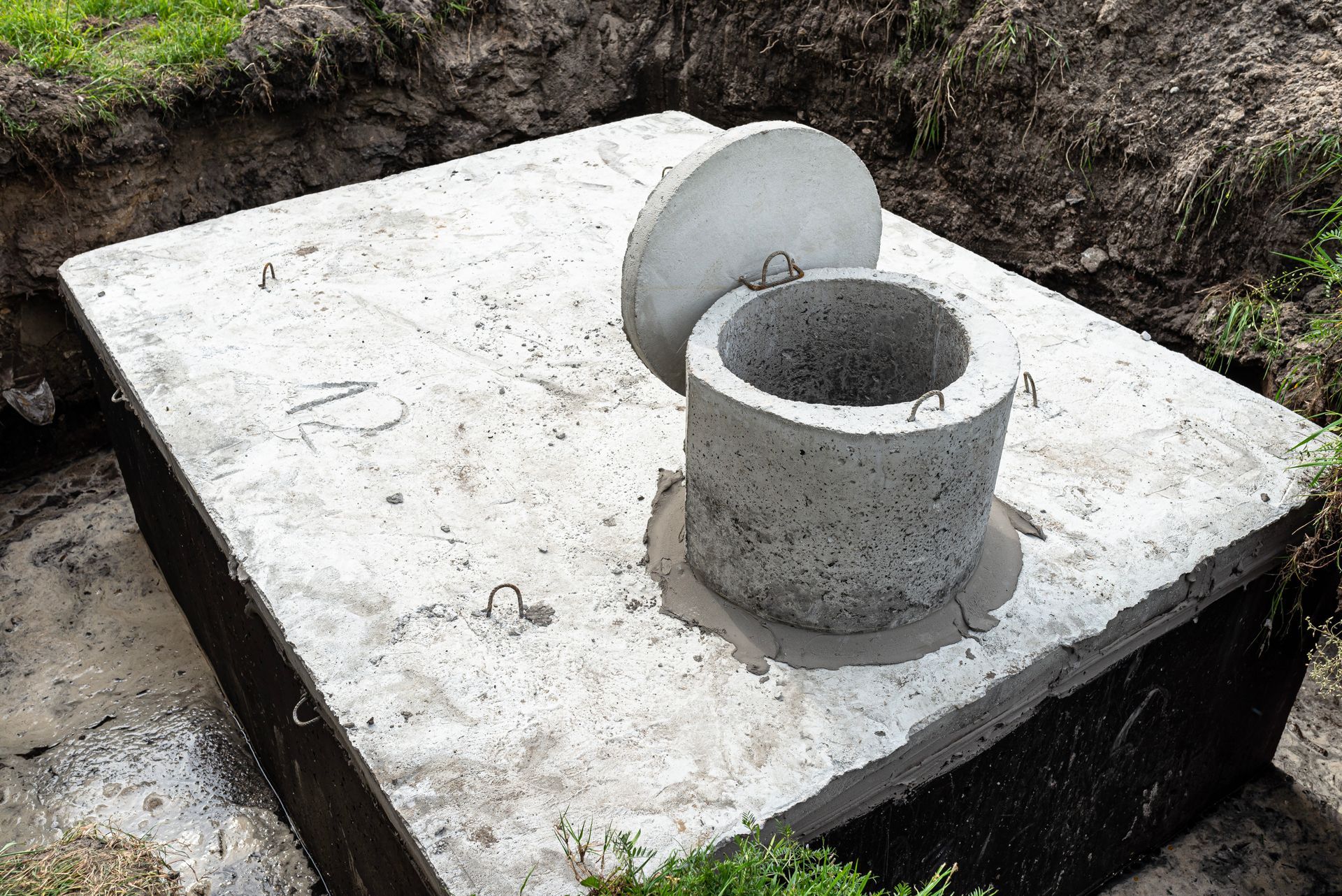
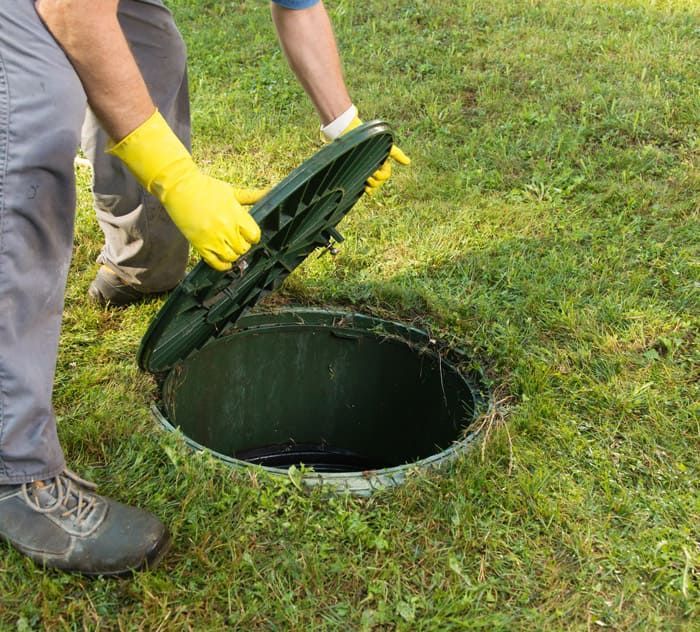
A thorough fall septic inspection should cover multiple system components to make sure everything functions properly throughout winter. Professional septic system plumbers use specialized equipment and knowledge to evaluate areas that homeowners might overlook during basic visual inspections.
Primary Inspection Components:
- Tank Level Assessment - Determining current waste levels and pumping needs before winter reduces biological activity in the tank
- Baffle Inspection - Checking inlet and outlet baffles for damage that could get worse in freezing conditions
- Pipe Integrity - Examining all visible piping for cracks, loose joints, or signs of stress that cold weather could make worse
- Distribution Box - Making sure effluent flows evenly to prevent overloading specific drain field areas during reduced soil absorption
- Drain Field Evaluation - Checking soil conditions, looking for standing water, and identifying areas where snow accumulation might cause problems
During inspections, experienced technicians also evaluate the overall system design and age to recommend appropriate winterization strategies. Older systems may require additional protective measures, while newer installations might need only basic preventive care.
The inspection process typically takes one to two hours, depending on system complexity and accessibility. Professional "septic tank plumbing near me" services often provide detailed reports outlining current conditions and recommended actions, helping homeowners prioritize maintenance tasks based on urgency and budget considerations.
Septic Tank Pumping and Cleaning
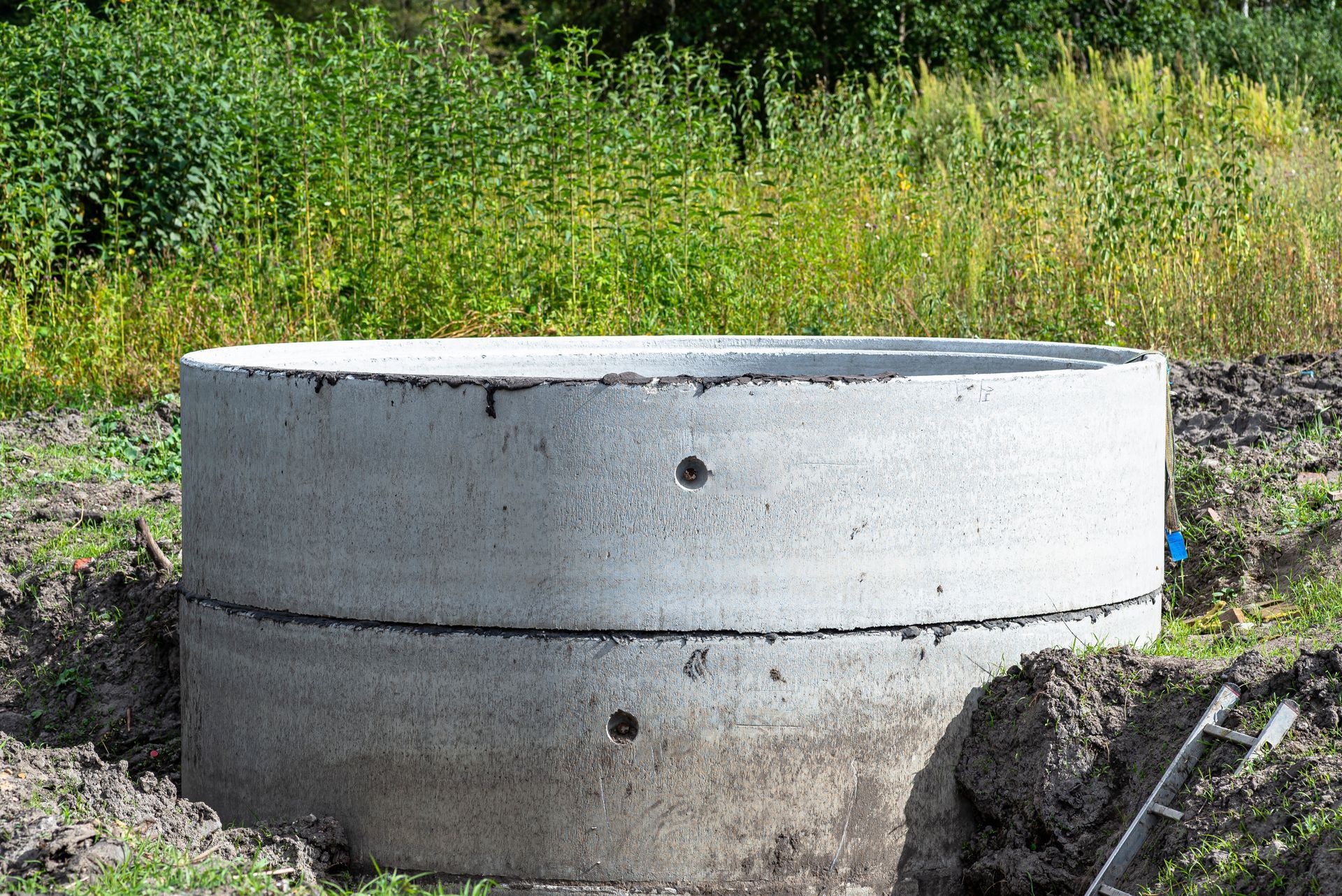
Fall is an ideal time for septic tank pumping, particularly for households that haven't had service within the past two to three years. Cold weather slows bacterial activity inside septic tanks, reducing the natural breakdown of waste materials. Systems operating at or near capacity during summer may struggle to handle normal waste loads when biological processes slow down.
Pumping Benefits Before Winter:
- Increased Storage Capacity - More room for waste accumulation during reduced bacterial activity
- Reduced Freeze Risk - Lower liquid levels mean less material that could potentially freeze
- Improved System Efficiency - Clean tanks process waste more effectively in cold conditions
- Holiday Preparation - Provides adequate capacity for increased usage during family gatherings
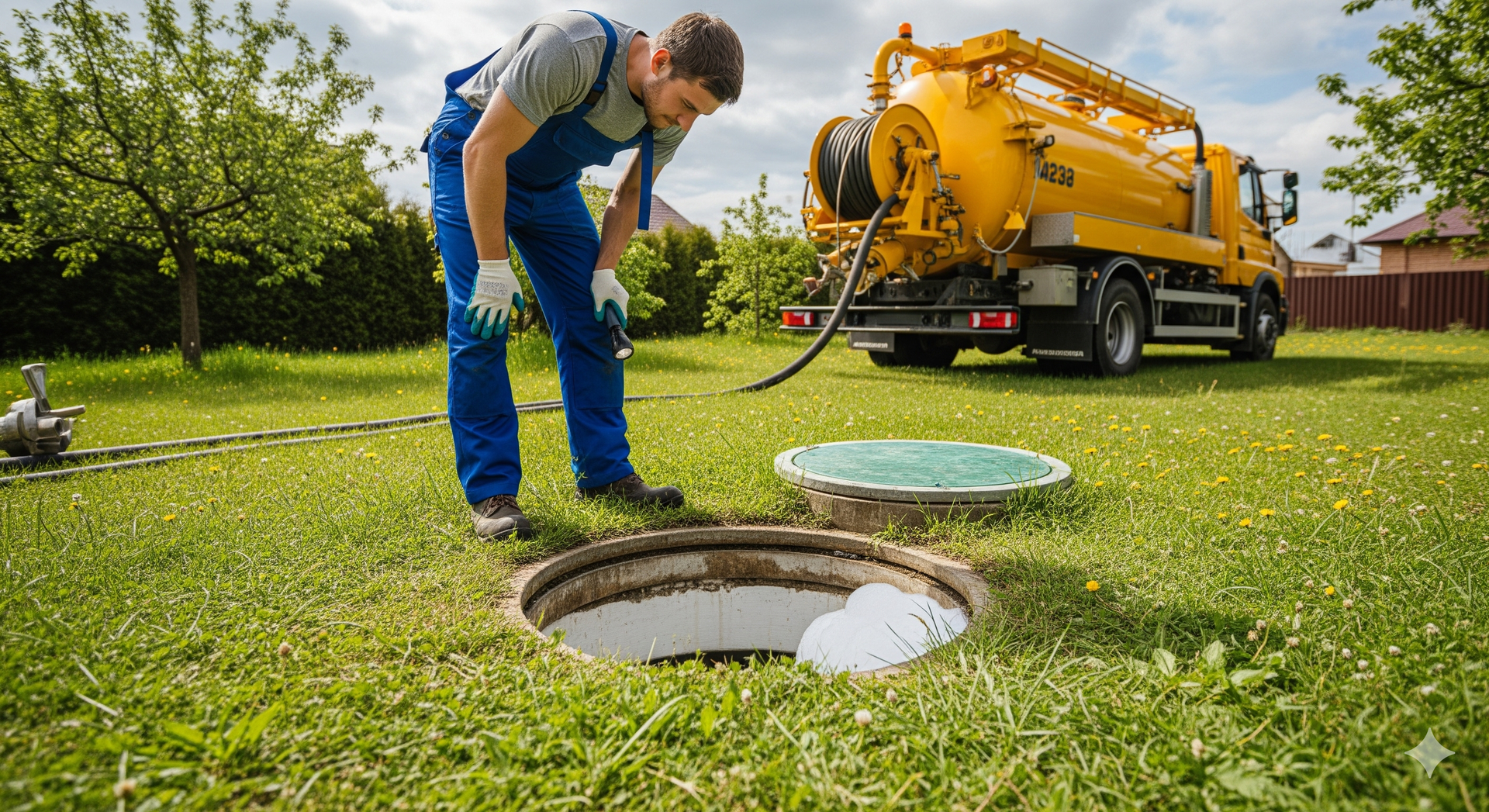
Professional pumping services remove accumulated solids and evaluate tank condition during the cleaning process. This inspection often reveals issues like damaged baffles, cracked walls, or failing pumps that require attention before winter weather makes repairs more difficult and expensive.
The pumping schedule varies based on household size, water usage patterns, and tank capacity. Generally, tanks require pumping every three to five years, but homes with garbage disposals, large families, or frequent entertaining may need more frequent service.
| Household Size | Recommended Pumping Frequency | Priority for Fall Service |
|---|---|---|
| 1-2 People | Every 3-5 Years | Low (unless due) |
| 3-4 People | Every 2-3 Years | Moderate |
| 5+ People | Every 1-2 Years | High |
| Heavy Usage/Entertaining | Annually | Critical |
Winterizing Septic System Components
Proper winterization protects septic system components from freeze damage while keeping the system running throughout cold months. Different system types require specific winterization approaches, and professional septic and plumbing near me services can determine the most effective strategy for individual installations.
Critical Winterization Steps:
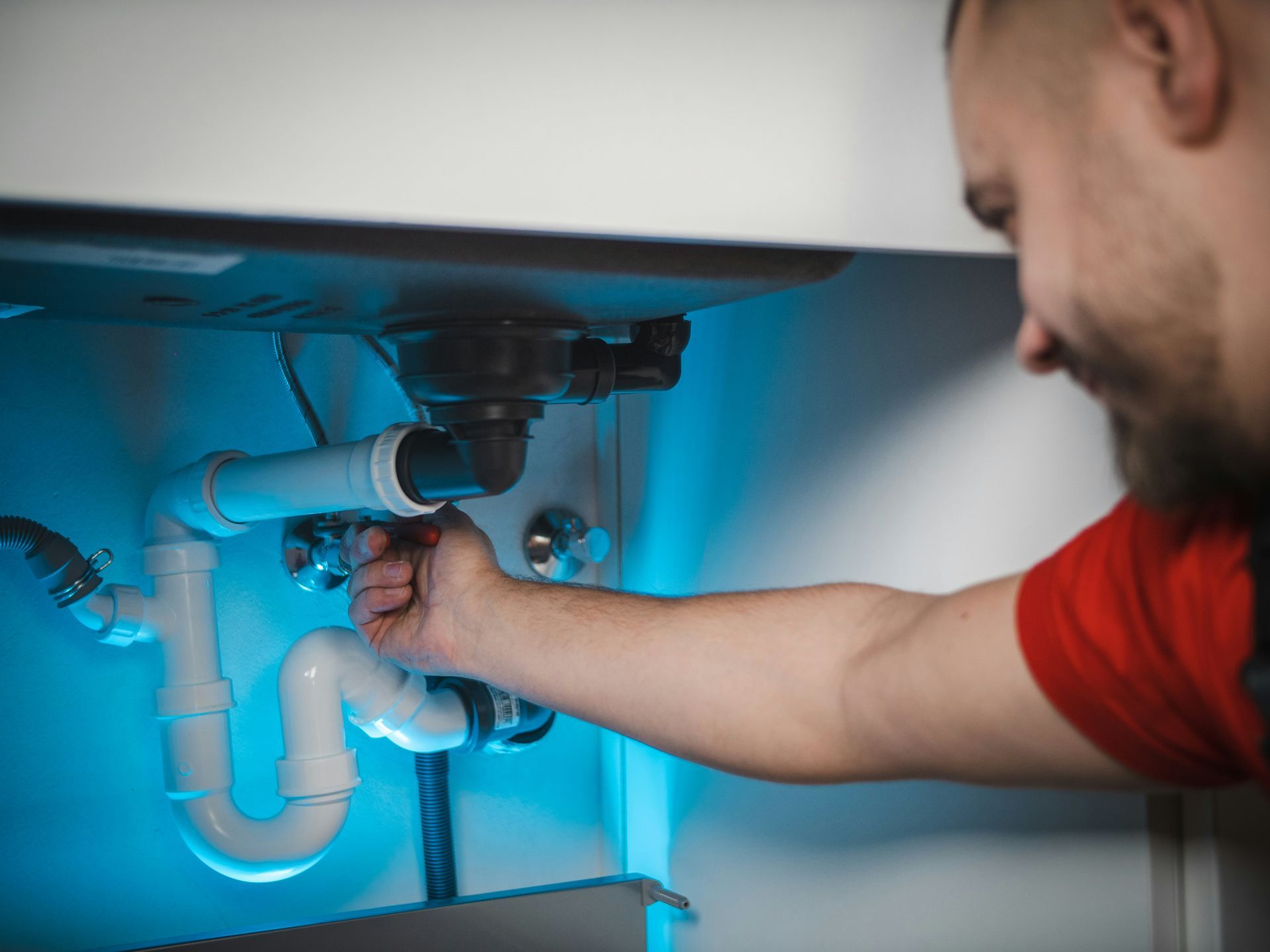
- Pipe Insulation - Wrapping exposed pipes with approved insulation materials prevents freezing in vulnerable areas like crawl spaces or where pipes enter buildings
- Tank Access Protection - Covering risers and access points with insulation while maintaining necessary ventilation prevents freeze damage to tank components
- Pump System Care - Making sure pump chambers have adequate insulation and backup power options for continued operation during power outages
- Distribution Box Maintenance - Cleaning and insulating distribution boxes prevents effluent freezing that could block proper drainage
Advanced winterization might include installing tank heaters for systems in extremely cold climates or adding extra insulation around tanks in areas with insufficient soil cover. These measures are especially important for systems installed in shallow soil or exposed locations.
Homeowners can contribute to winterization efforts by maintaining consistent water usage patterns throughout winter, avoiding water conservation extremes that might allow pipes to freeze, and keeping snow cleared from critical system components while avoiding excessive weight on drain fields.
Drain Field Preparation and Protection
Drain field preparation requires attention to both surface and subsurface conditions that affect winter performance. Fall maintenance makes sure proper drainage happens and prevents ice formation that could damage soil structure or block effluent absorption.
Surface Preparation Tasks:
- Debris Removal - Clearing leaves, branches, and other organic matter that could create drainage barriers when decomposing under snow
- Grade Verification - Making sure proper slope away from drain field areas to prevent surface water accumulation and freezing
- Vegetation Management - Trimming overgrown grass and removing plants that might interfere with soil air circulation
- Access Route Planning - Identifying clear paths for emergency access without driving over drain field areas
Subsurface preparation involves evaluating soil conditions and drainage patterns. Compacted soil reduces winter absorption capacity, while standing water creates ice formation risks that can damage distribution pipes and soil structure.
Professional evaluation helps determine whether drain field rehabilitation might be necessary before winter. Minor issues like partially blocked distribution holes can often be corrected during fall maintenance, while major problems might require spring repairs but can be managed temporarily with proper winter precautions.
Snow management becomes important once winter arrives. Light snow actually provides beneficial insulation, but heavy accumulation or ice formation can stress system components and prevent proper soil air circulation necessary for effective treatment.
Professional vs. DIY Maintenance
While homeowners can handle some basic septic maintenance tasks, fall winterization often requires professional expertise to provide thorough protection. Septic tank plumbers bring specialized knowledge, equipment, and experience that can be invaluable for preventing winter problems.
Professional Services Include:
- Specialized Equipment - Professional-grade pumping trucks, inspection cameras, and diagnostic tools provide thorough evaluation capabilities beyond homeowner resources
- Technical Expertise - An understanding of local soil conditions, climate factors, and building codes ensures appropriate winterization strategies get used
- Safety Protocols - Proper handling of hazardous gases, electrical components, and heavy equipment prevents accidents during maintenance
- Warranty Protection - Professional service often includes warranties on work performed and recommendations for future maintenance
DIY maintenance typically focuses on basic tasks like visual inspections, debris clearing, and simple pipe insulation. However, tasks involving tank pumping, electrical systems, or underground components require professional attention for both safety and effectiveness.
The cost difference between preventive professional maintenance and emergency winter repairs often justifies fall investment in thorough service. Emergency calls during holidays or severe weather conditions typically cost much more than normal rates, while system damage from improper winterization can result in expensive spring rehabilitation projects.
Frequently Asked Questions
How often should I schedule fall septic inspections with septic tank plumbers?
Most septic systems benefit from annual fall inspections, especially in cold climates like Northwest Indiana. Systems with heavy usage or older components may require more frequent professional evaluation.
Can I wait until spring to address minor septic issues found during fall inspection?
Minor issues often become major problems during winter freeze-thaw cycles. Address all identified problems before temperatures drop to avoid emergency repairs and potential system damage.
What should I do if my septic system shows signs of problems just before winter?
Contact professional septic plumbers near me immediately for emergency evaluation. Temporary solutions may be available to prevent major damage until thorough repairs can be completed.
How much does fall septic maintenance typically cost compared to winter emergency repairs?
Preventive fall maintenance usually costs much less than emergency winter repairs. Holiday and extreme weather emergency calls often include premium pricing for immediate service.
Should I reduce water usage during winter months to protect my septic system?
Maintain consistent water usage patterns rather than dramatically reducing consumption. Sudden changes can disrupt bacterial balance and allow pipes to freeze from a lack of warm water flow.
Final Thoughts
Preparing your septic system for winter through professional fall maintenance protects your investment, keeps everything running reliably during holiday gatherings, and prevents costly emergency repairs when temperatures drop. Qualified septic tank plumbers in Northwest Indiana understand local climate challenges and can provide thorough winterization services tailored to your specific system needs. Schedule your fall septic inspection early to make sure that your system remains functional throughout the cold months ahead, keeping your home comfortable and your special occasions worry-free.
Don't wait for freezing temperatures to cause costly damage. Schedule your fall septic maintenance with Northwest Indiana's trusted septic tank plumbers today.
Reference:
https://www.nachi.org/winterization.htm