Septic System Plumbers for Inspection, Repair & Maintenance
A well-functioning septic system is crucial for any property that does not rely on municipal sewer lines. Septic systems manage wastewater safely, protecting both the environment and your health. Hiring professional septic system plumbers ensures your system is inspected, repaired, and maintained properly. Neglecting septic care can lead to costly repairs, environmental hazards, and health risks.
Understanding the role of
septic system plumbers, the services they offer, and how to maintain your system can save time, money, and stress.
Key Takeaways
- Regular septic inspections prevent major system failures and costly repairs.
- Professional maintenance ensures proper wastewater treatment and environmental safety.
- Common repairs include fixing leaks, unclogging pipes, and restoring proper tank function.
- Knowledge of your system’s layout and components helps in identifying potential issues early.
- Hiring experienced plumbers minimizes risks and prolongs the life of your septic system.
- Scheduling maintenance on a predictable schedule reduces unexpected emergencies.
What a Septic System Plumber Does
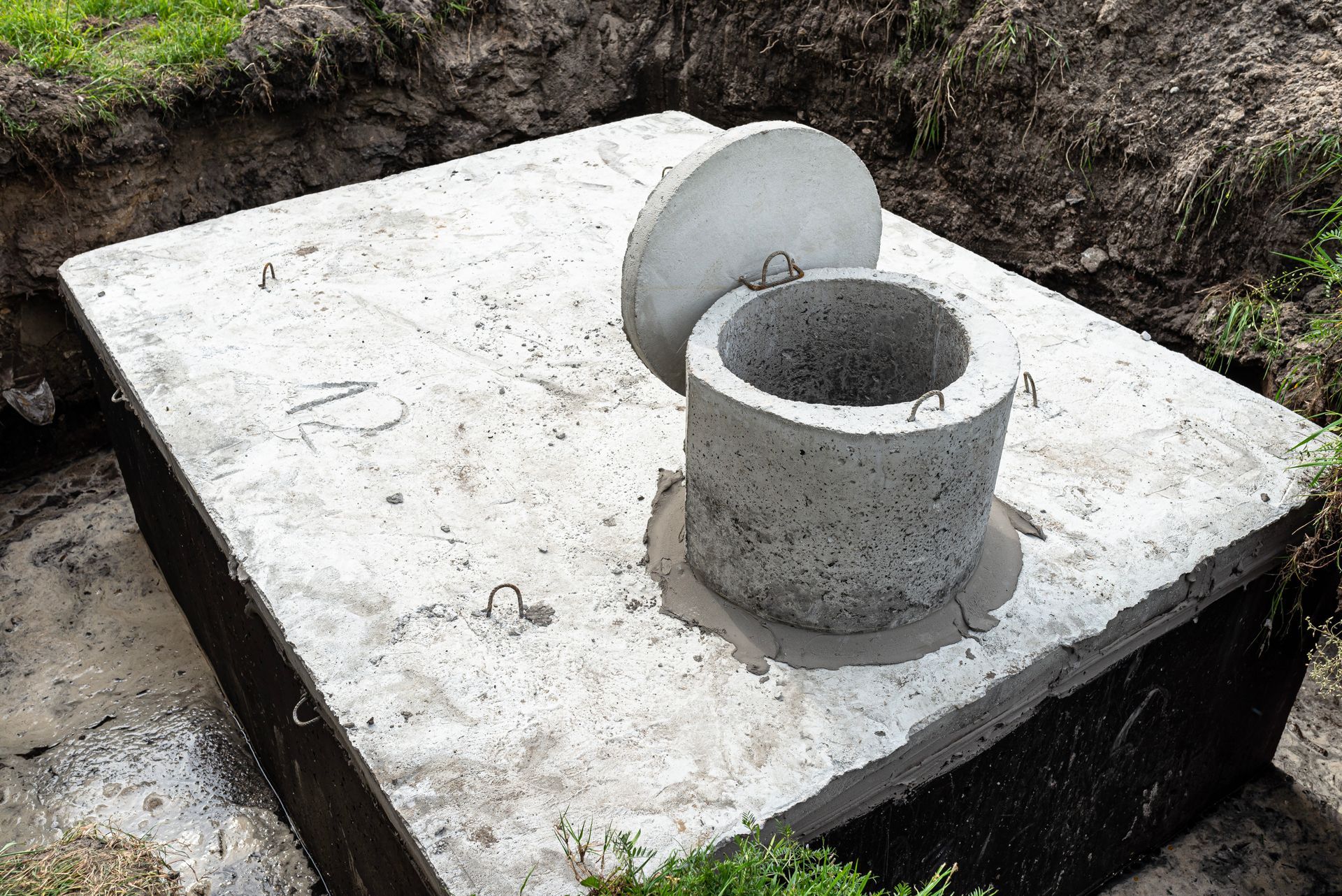
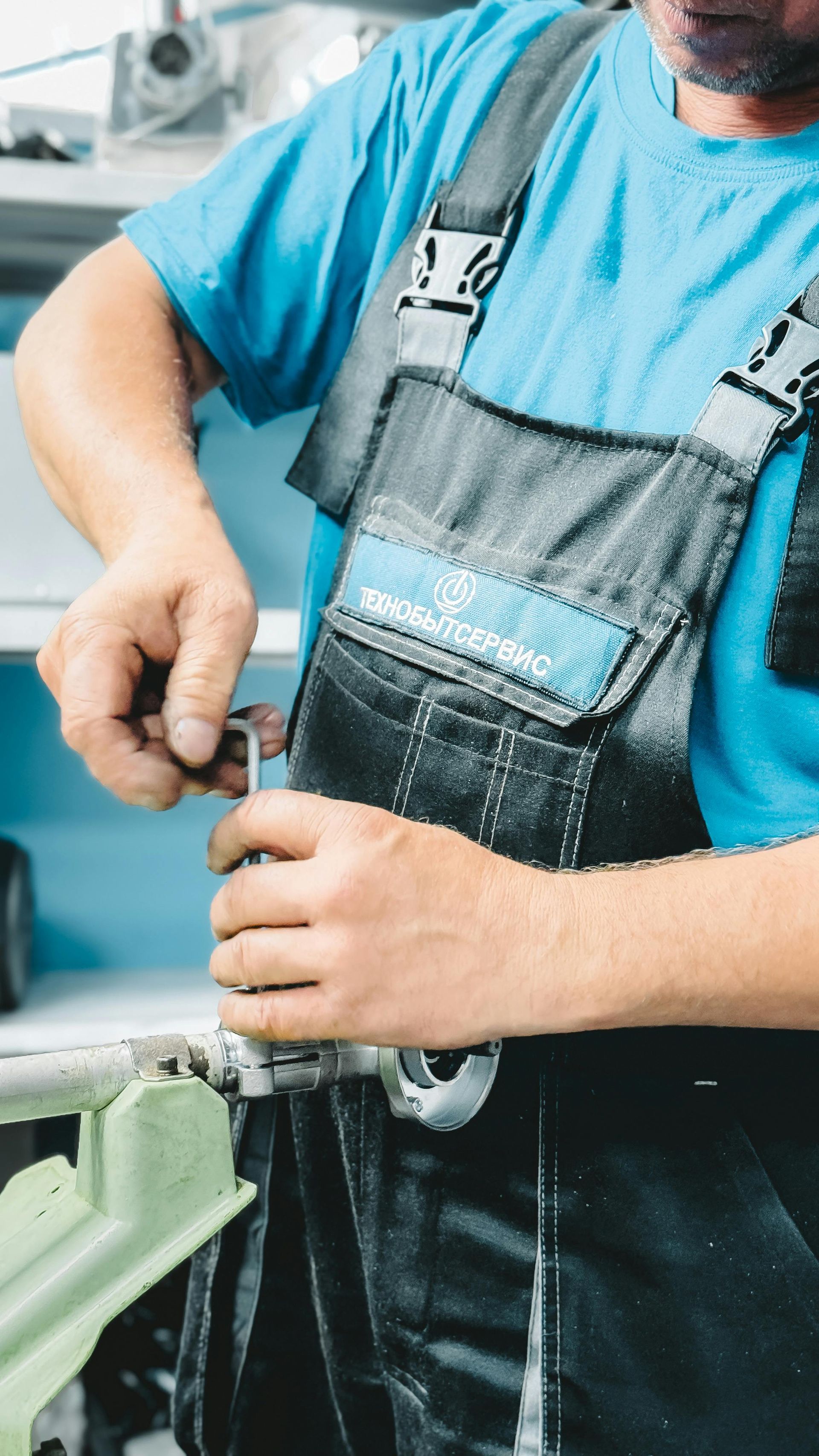
Septic system plumbers specialize in the installation, inspection, repair, and maintenance of septic systems. Their expertise covers all components of the system, including the tank, pipes, drain field, and filters.
Key services include:
- Inspection: Checking the condition of the tank, drain field, and pipes for signs of damage or blockages.
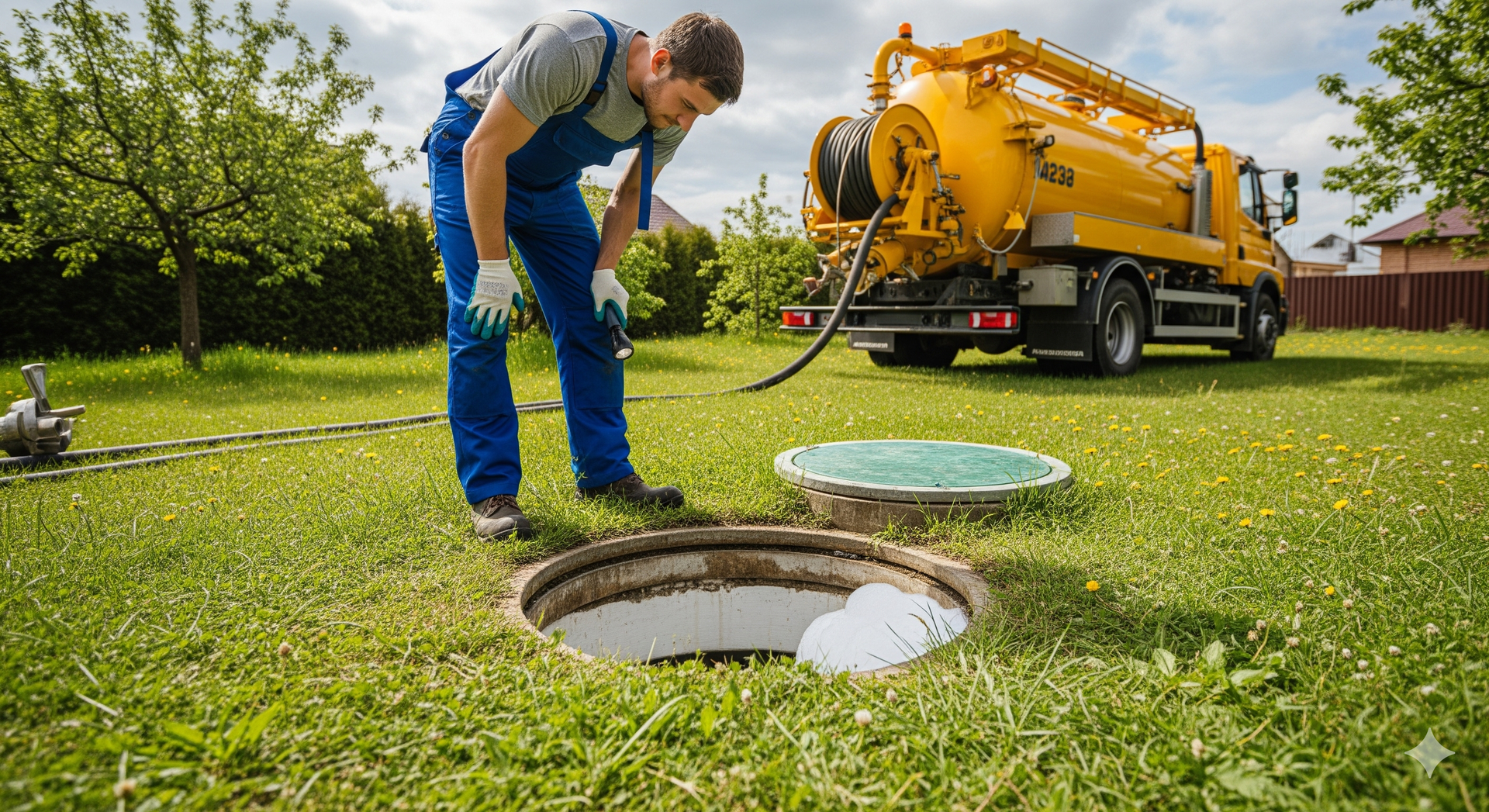
- Maintenance: Pumping the septic tank regularly, cleaning filters, and ensuring proper sludge and scum levels.
- Repair: Fixing leaks, broken pipes, or damaged tanks. This may involve excavation in severe cases.
- System Upgrades: Replacing outdated components or installing modern treatment technologies.
Septic system plumbers often provide guidance on proper usage, preventing items like grease, wipes, or chemicals from damaging the system.
Importance of Regular Septic Inspections
Regular inspections are critical for avoiding costly repairs and environmental contamination. Inspections typically include:
- Tank Examination: Checking for cracks, corrosion, or sludge buildup.
- Pipe Assessment: Ensuring proper flow and detecting blockages.
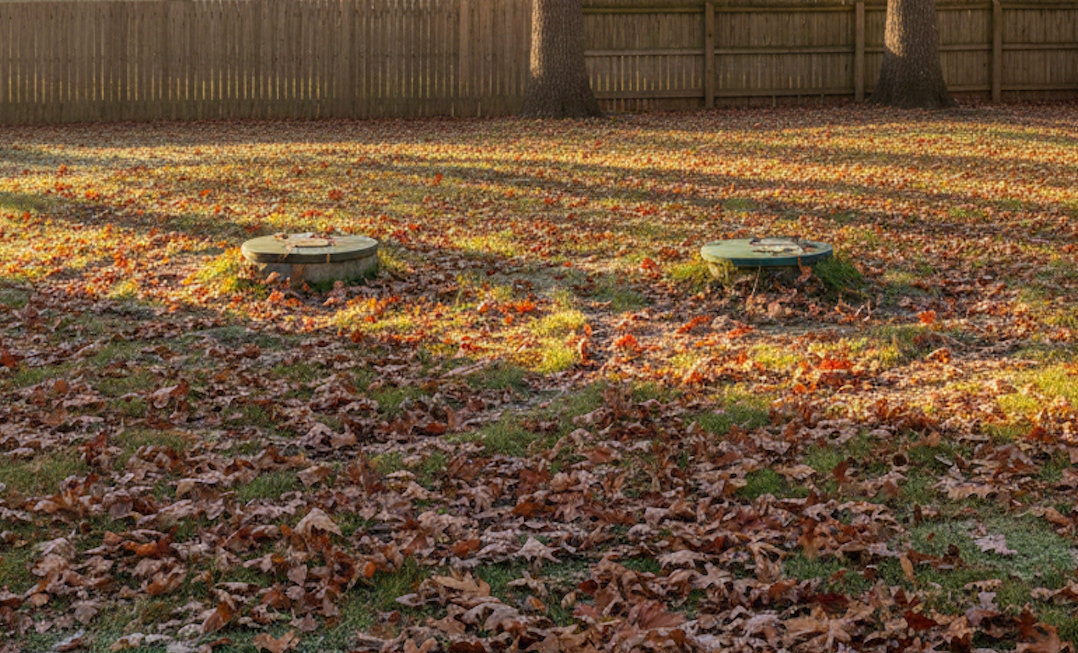
- Drain Field Evaluation: Identifying water pooling or soggy areas that may indicate failure.
- Pump and Filter Checks: Making sure mechanical components are working efficiently.
Most experts recommend having a septic system inspected every 1 to 3 years, depending on the system size, usage, and age. Older systems often require more frequent attention.
Common Septic System Problems
Understanding common septic issues can help property owners recognize early warning signs.
| Problem | Signs | Typical Causes |
|---|---|---|
| Leaky Faucets | Dripping water, higher bills | Worn washers or seals, corrosion |
| Clogged Drains | Slow draining sinks, backups | Grease, hair, or foreign objects |
| Low Water Pressure | Weak flow from taps or showers | Sediment buildup, pipe corrosion |
| Running Toilets | Constant water flow, hissing sounds | Faulty flapper or valve |
| Water Heater Problems | No hot water, leaks, strange noises | Sediment buildup, heating element failure |
Early detection of these problems by a professional plumber prevents further damage and reduces the risk of health hazards.
Septic System Maintenance Tips
Proper maintenance prolongs the life of your septic system and minimizes costly repairs.
1. Regular Pumping
Septic tanks need to be pumped every 3 to 5 years, depending on household size and water usage. This prevents sludge buildup, which can damage the system.
2. Water Conservation
Reducing water waste minimizes the load on your septic system. Simple steps like fixing leaks, using low-flow fixtures, and spreading out laundry loads can help.
3. Proper Waste Disposal
Avoid flushing non-biodegradable items, grease, or chemicals. These can clog pipes, harm beneficial bacteria, and damage the system.
4. Drain Field Care
Do not park vehicles or plant trees on your drain field. Compacted soil or invasive roots can disrupt drainage.
5. Professional Inspections
Schedule routine inspections with a licensed septic system plumber. They can catch small issues before they become major problems.
Repair Services Offered by Septic Plumbers
Septic system plumbers handle a wide range of repair tasks:
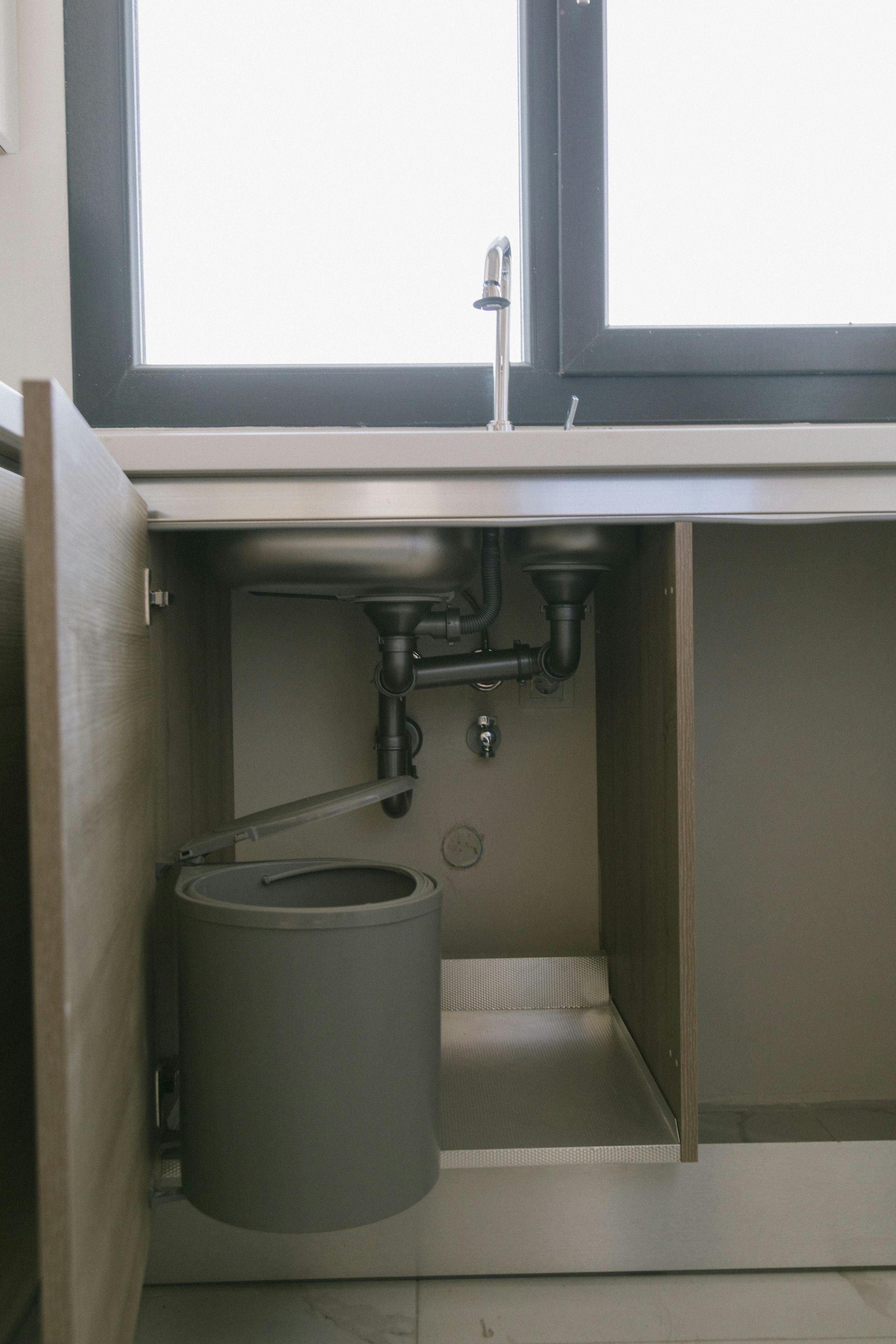
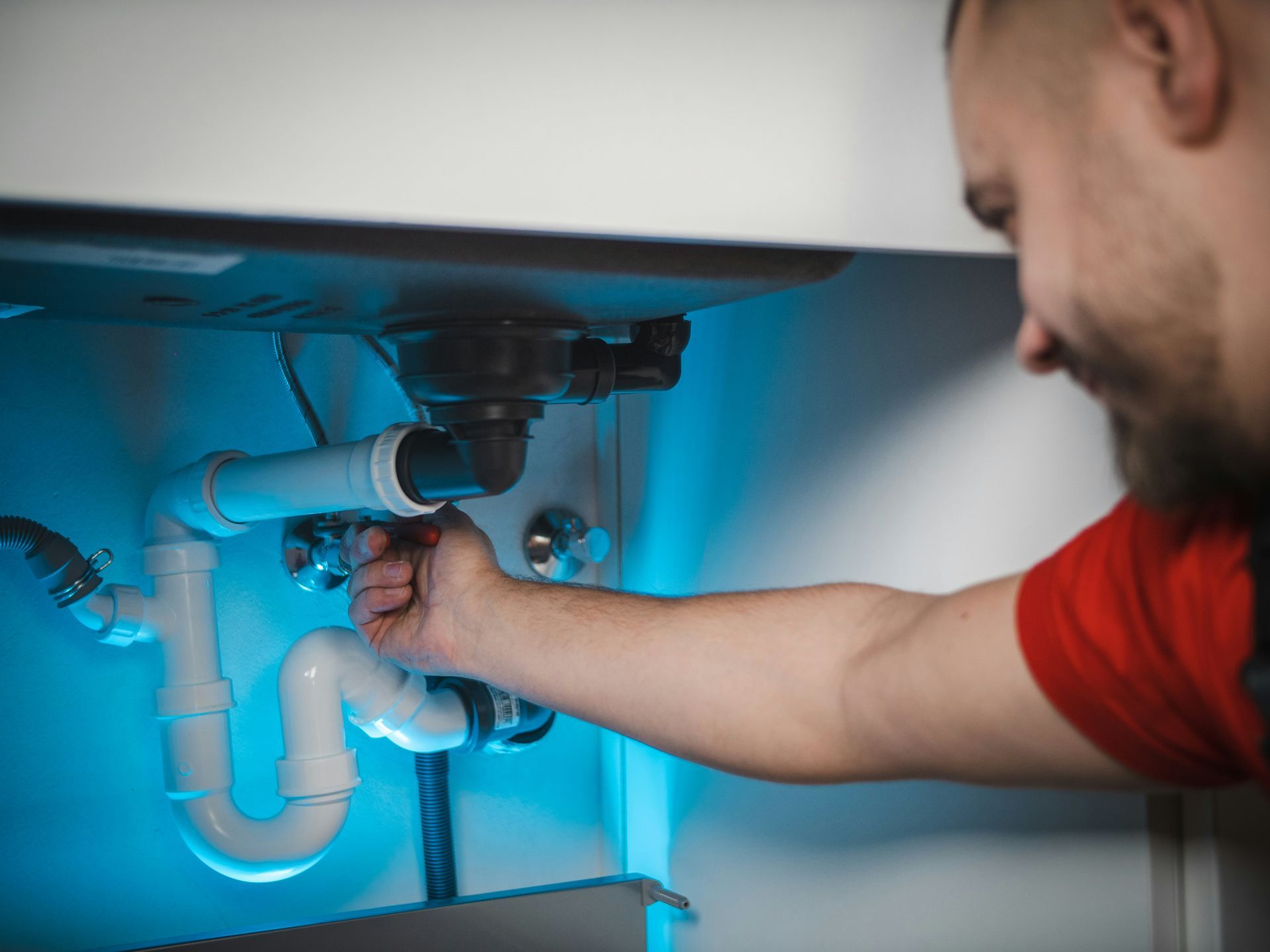
- Pipe Repairs: Fixing broken or clogged pipes that may be causing slow drainage or leaks.
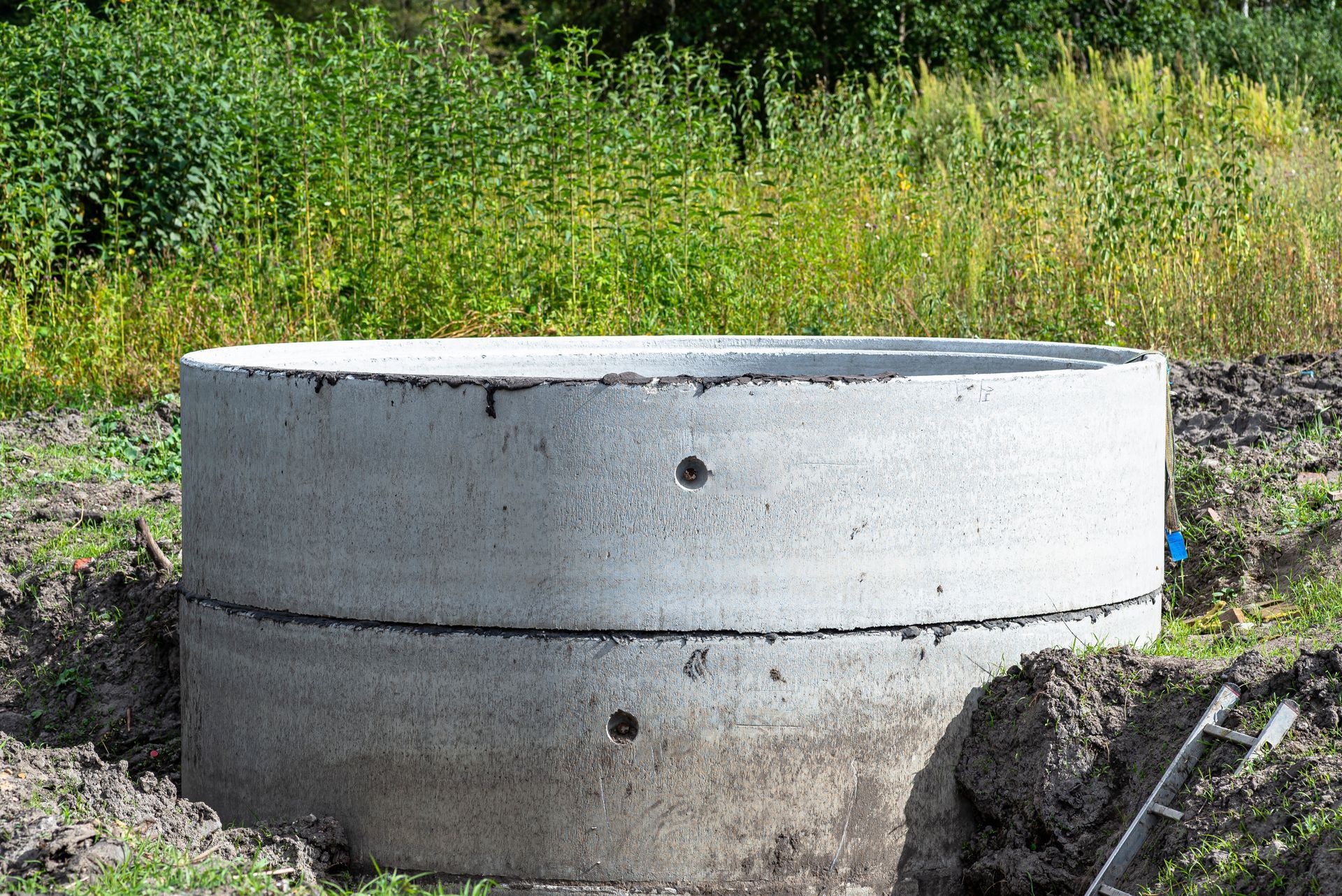
- Tank Repairs or Replacement: Addressing cracks, corrosion, or structural damage.
- Pump Maintenance: Servicing mechanical pumps, float switches, and alarms.
- Drain Field Restoration: Correcting saturation or soil compaction issues.
- Emergency Services: Responding to system backups or sudden failures.
Timely repairs prevent secondary issues such as contaminated groundwater, foul odors, and costly property damage.
Cost of Septic System Services
The cost of septic system services can vary widely depending on several factors, including the type of service needed, the size and age of your system, the complexity of the job, and your location. Understanding these costs can help you budget properly and avoid unexpected expenses.
Inspections are generally the most affordable service, with prices ranging from around $100 to $300. A standard inspection usually involves checking the septic tank, pipes, and drain field for damage or potential issues. Some plumbers offer advanced inspection services using cameras to inspect underground pipes, which may increase the cost but provides a more thorough assessment. Regular inspections are a cost-effective way to prevent major problems before they occur.
Pumping and routine maintenance typically range from $250 to $500, depending on the size of your tank and the amount of waste it contains. Pumping is essential to remove sludge and scum from your tank, and it should be done every three to five years on average. In addition to pumping, some plumbing services offer maintenance plans, which may include routine inspections, minor repairs, and cleaning of filters or pumps. These plans generally cost between $200 and $600 per year and can save money in the long run by avoiding emergency repairs.
Repairs are the most variable in cost because they depend heavily on the severity of the issue. Simple pipe repairs or unclogging may start around $150 to $300, while more complex problems like a cracked or corroded tank can cost several thousand dollars, often ranging from $1,500 to $3,000 or more. Drain field restoration or replacement is another major expense, which may require excavation, soil replacement, and new piping. Emergency repairs tend to be more expensive due to the urgency and the labor involved, so proactive maintenance is always more cost-efficient.
System upgrades and replacements are the most significant investment. If your system is outdated, undersized, or damaged beyond repair, a complete replacement can cost anywhere from $5,000 to $15,000, depending on system type, local labor rates, and site conditions. Upgrades may also include installing advanced treatment systems that improve water quality and reduce environmental impact. While these costs are high, investing in a modern system often increases property value and ensures long-term reliability.
Choosing the Right Septic System Plumber
When selecting a plumber, consider the following factors:
- Licensing and Certification: Ensure the plumber is licensed to handle septic systems in your state.
- Experience: Look for plumbers with years of experience in septic inspection and repair.
- References and Reviews: Check customer testimonials and online reviews.
- Range of Services: A plumber offering inspection, maintenance, and repair ensures consistent service.
- Emergency Availability: Septic issues can occur unexpectedly; access to emergency services is critical.
Signs You Need Immediate Septic Attention
Watch for these warning signs that indicate your system may need professional attention:
- Slow draining sinks, tubs, or toilets
- Sewage odors inside or outside your home
- Pooling water or soggy areas above the drain field
- Unusual algae growth in nearby water sources
- Gurgling sounds in plumbing fixtures
If any of these signs appear, contact a septic system plumber promptly.
Frequently Asked Questions
How often should plumbing systems be inspected?
Professional inspections every 1 to 2 years are recommended to catch small issues before they escalate.
Can I install a plumbing fixture myself?
While minor installations may be possible, professional installation ensures correct fitting, avoids leaks, and meets local codes.
How do I know if I need a pipe replacement?
Signs include repeated leaks, corrosion, low water pressure, and visible cracks or bulges.
Are emergency plumbing services more expensive?
Emergency services typically cost more due to after-hours labor and immediate response, but they prevent further property damage.
How can I extend the life of my plumbing system?
Regular maintenance, leak repairs, water-efficient practices, and professional inspections help prolong the life of pipes, fixtures, and water heaters.
Final Thoughts
Maintaining a septic system is essential for the health, safety, and functionality of your property. Regular inspections, timely repairs, and proper maintenance practices reduce the risk of costly failures and environmental damage. Hiring a professional septic system plumber ensures that your system operates efficiently and lasts for years.
Neglecting
septic care can lead to severe issues, including contaminated water, property damage, and expensive repairs. Investing in expert plumbing services is a practical step to protect your home and environment.
If you want to protect your property and ensure your septic system runs smoothly, contact a licensed septic system plumber today.
Reference:
https://piperestorationsolutions.com/the-benefits-of-hiring-a-professional-plumber/